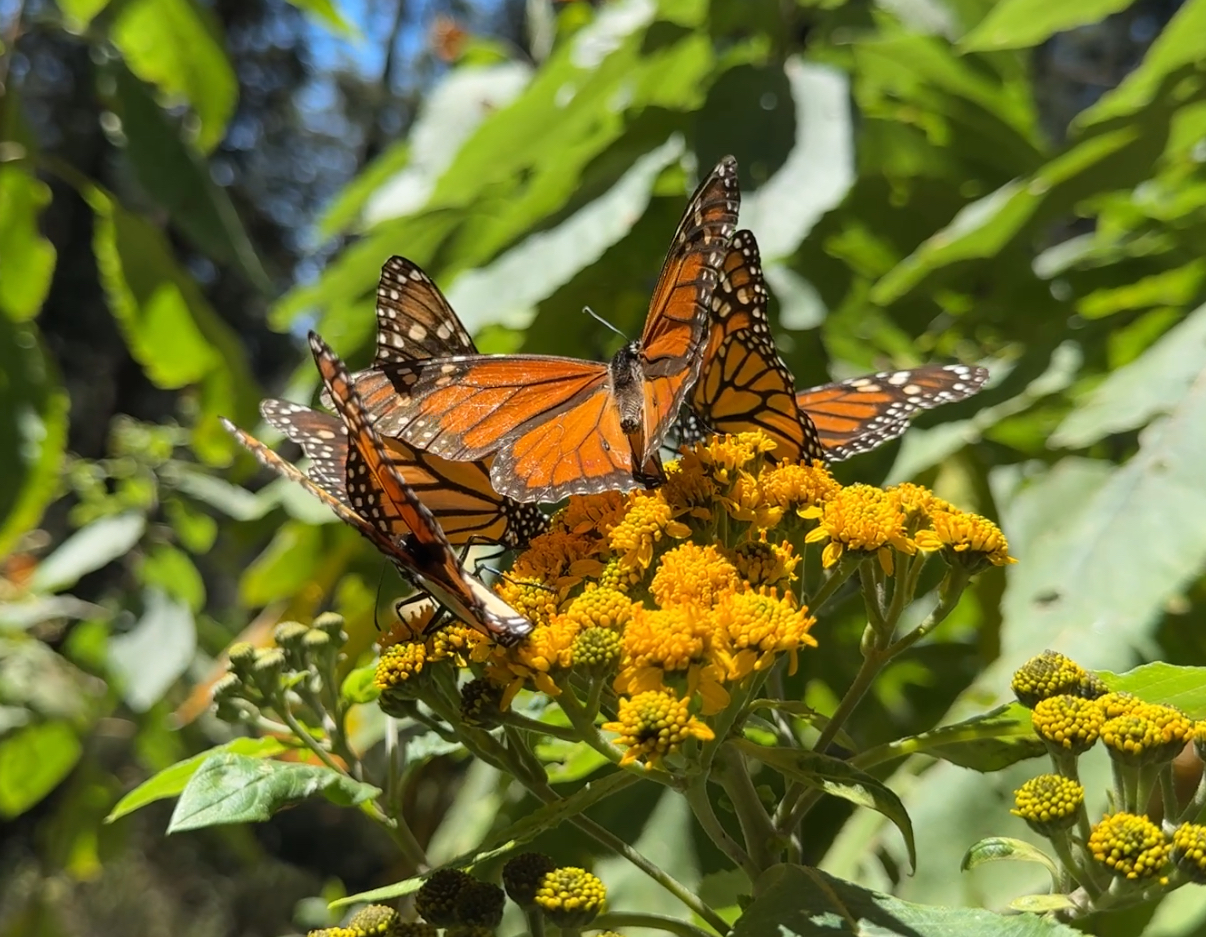
Flowers of the Oyamel Fir Forest

This is the second post in a series, with the first one detailing my visit to the Monarch Butterfly sanctuaries found here.

While my main goal in Mexico was to see butterflies, I never pass up a chance to botanize! There were some spectacular flowers in the understory of the Oyamel fir forest, most of which were completely new to me. Thanks to my knowledge of plant families I was able to at least make a close guess on site, and then research them deeper once I was back within wi-fi range. These are the flowers that fuel the first leg of the monarch’s journey north in spring. At the end of the post I’ll include some great analogs for our area to provide that much needed nectar once the butterflies reach us!

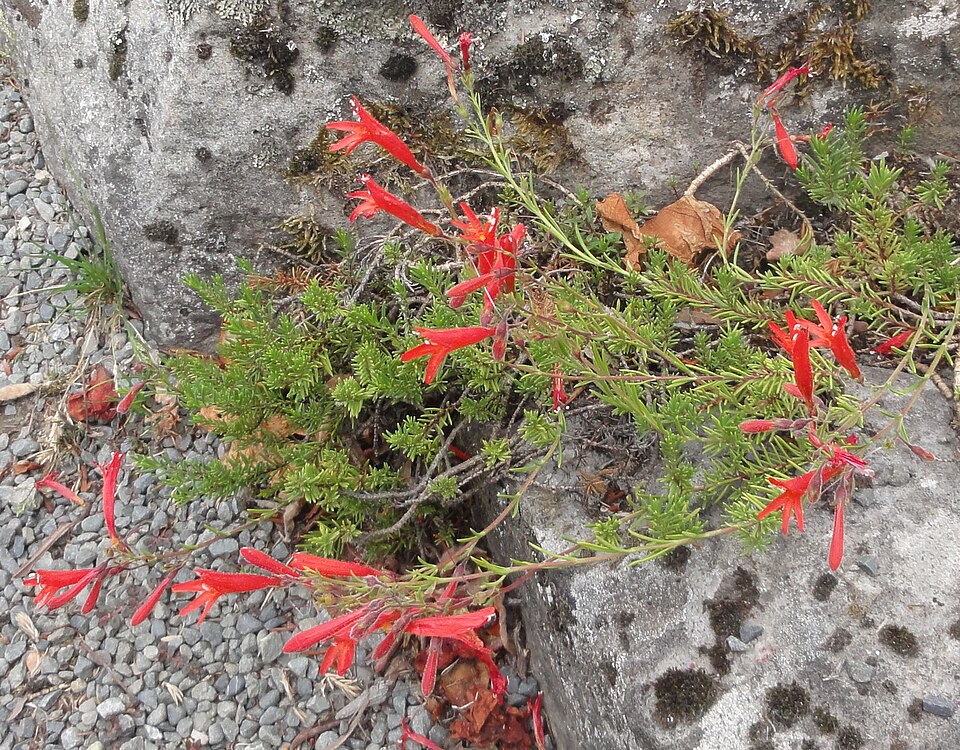
Clinopodium macrostemum
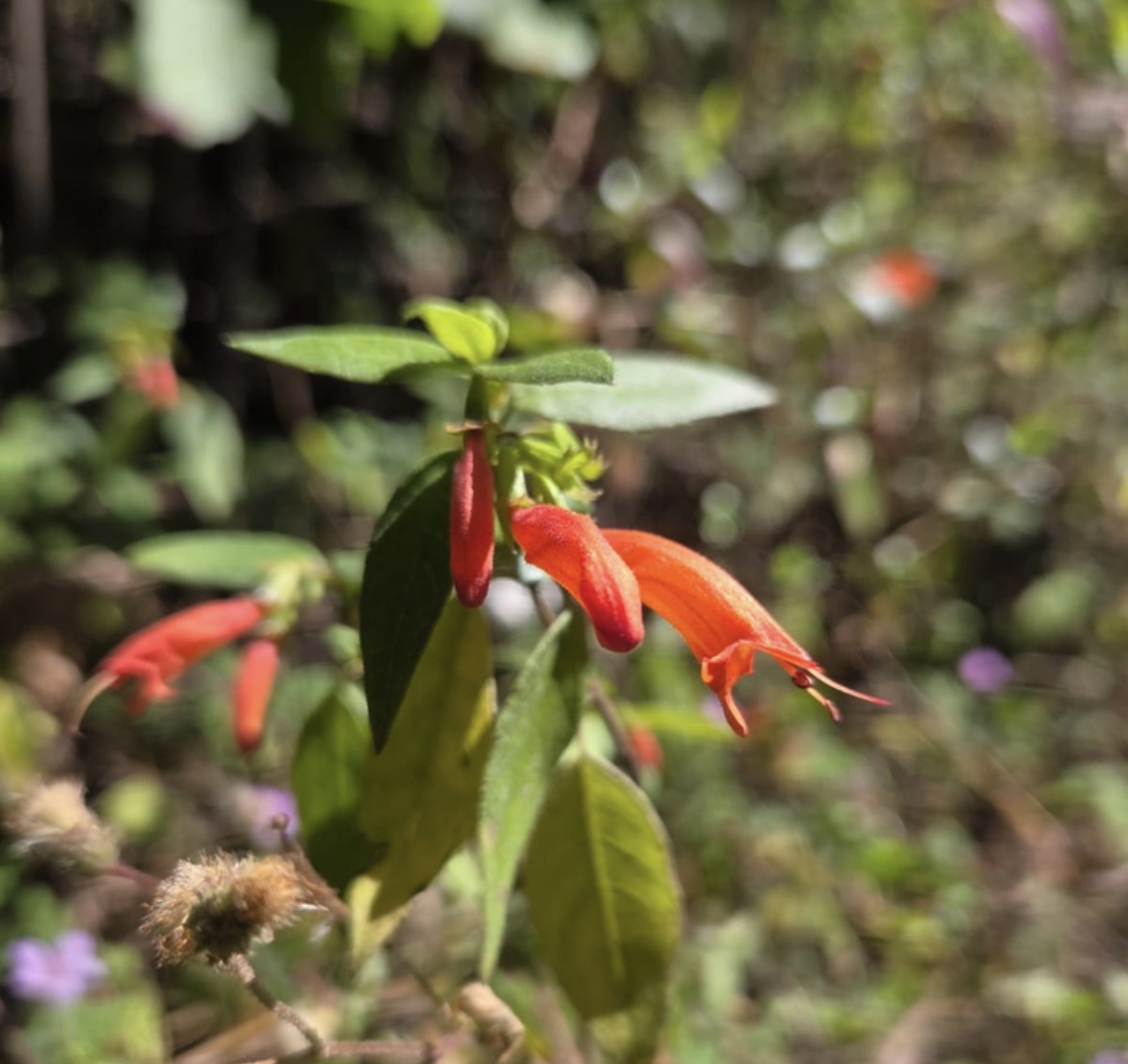
The orange, tubular flowers of C. macrostemum. The common name, “poleo” and “yerba de borracho”, is also used for another plant in the mint family, especially in the south part of the country. Photo by our tour guide, Ivan, of A Closer Look Tours.

We were just past 11,000 feet high at El Rosario Butterfly Reserve and I was feeling…bad. The steep incline and lack of air was getting to me. Our guide spotted me leaning on a tree, probably looking a little limp and pathetic. He tore a few leaves from a nearby plant and shoved them under my nose — whoa! What a pick me up! The minty, citrusy, peppery scent opened my nostrils and sharpened my air-starved mind. My Spanish is barely passable, enough to say thank you and ask what it was. His English was not much better, but we made it work: he told me that the plant with the orange flowers helps with altitude. They are also known as “Yerba de Borracho”, herb of the drunk man. Good for a hangover! He winked. I laughed it off at first, then decided I should keep some in my pocket. If I survive the trip back down, I planned to sample regional mezcal at lunch, and may need it!

Dear reader: I did, indeed, need it.

Geranium potentillifolium
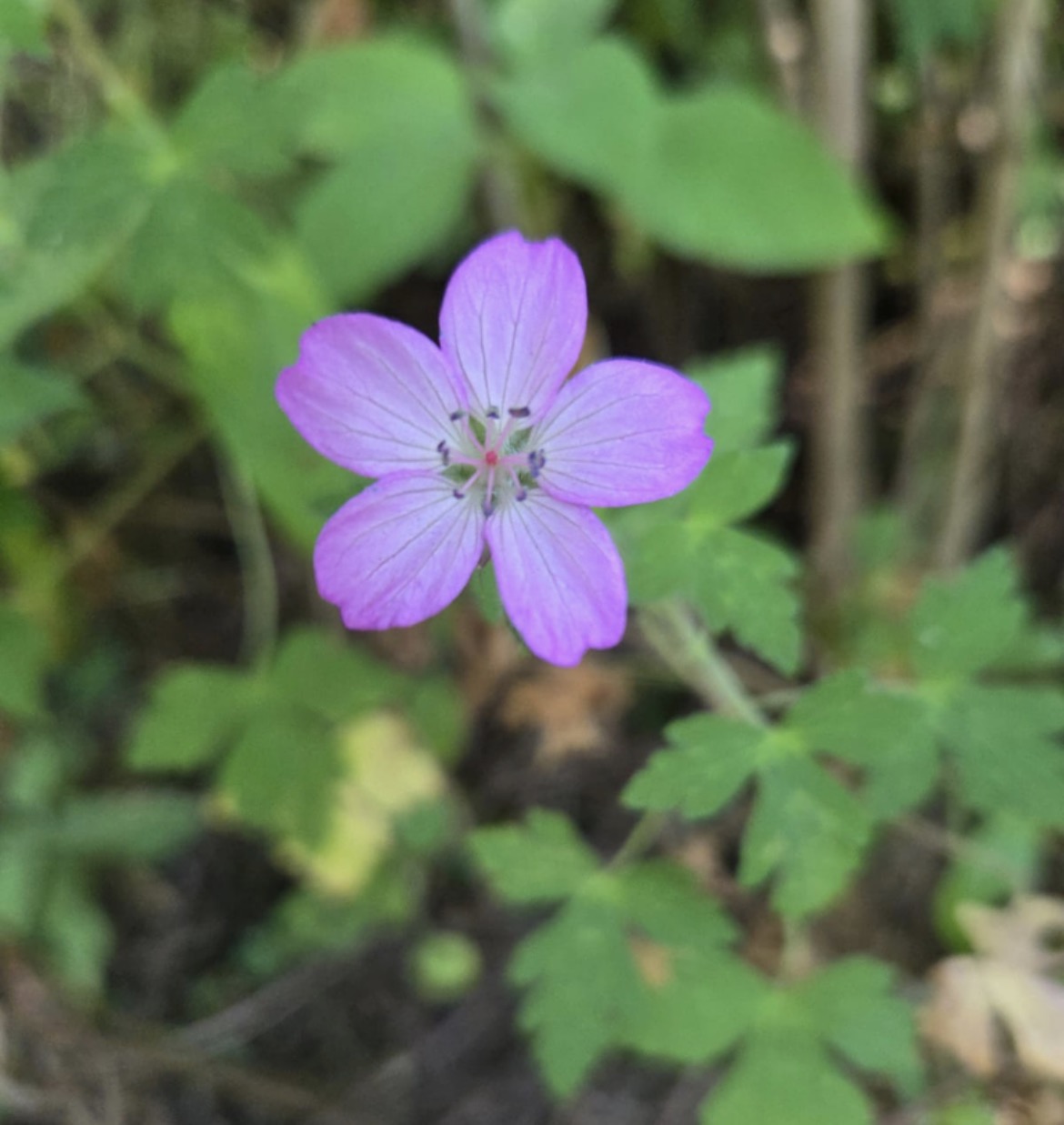
G. potentillifolium (I think***) at Sierra Chincua Butterfly Reserve.

Small and unassuming, these purple flowers were growing in the shade of larger shrubs and brush. Their delicate blooms reach up above the lobed, serrated foliage to be seen, and – their ultimate goal – to be pollinated. I saw this one and recognized it immediately as a geranium species, but it took a lot of digging to find out which one! There is scant information on some of these remote, high elevation species of Mexico. I am not 100% sure on this ID, but iNaturalist shows a lot of sightings right in the same area so I am going with it.

Verbesina oncophora
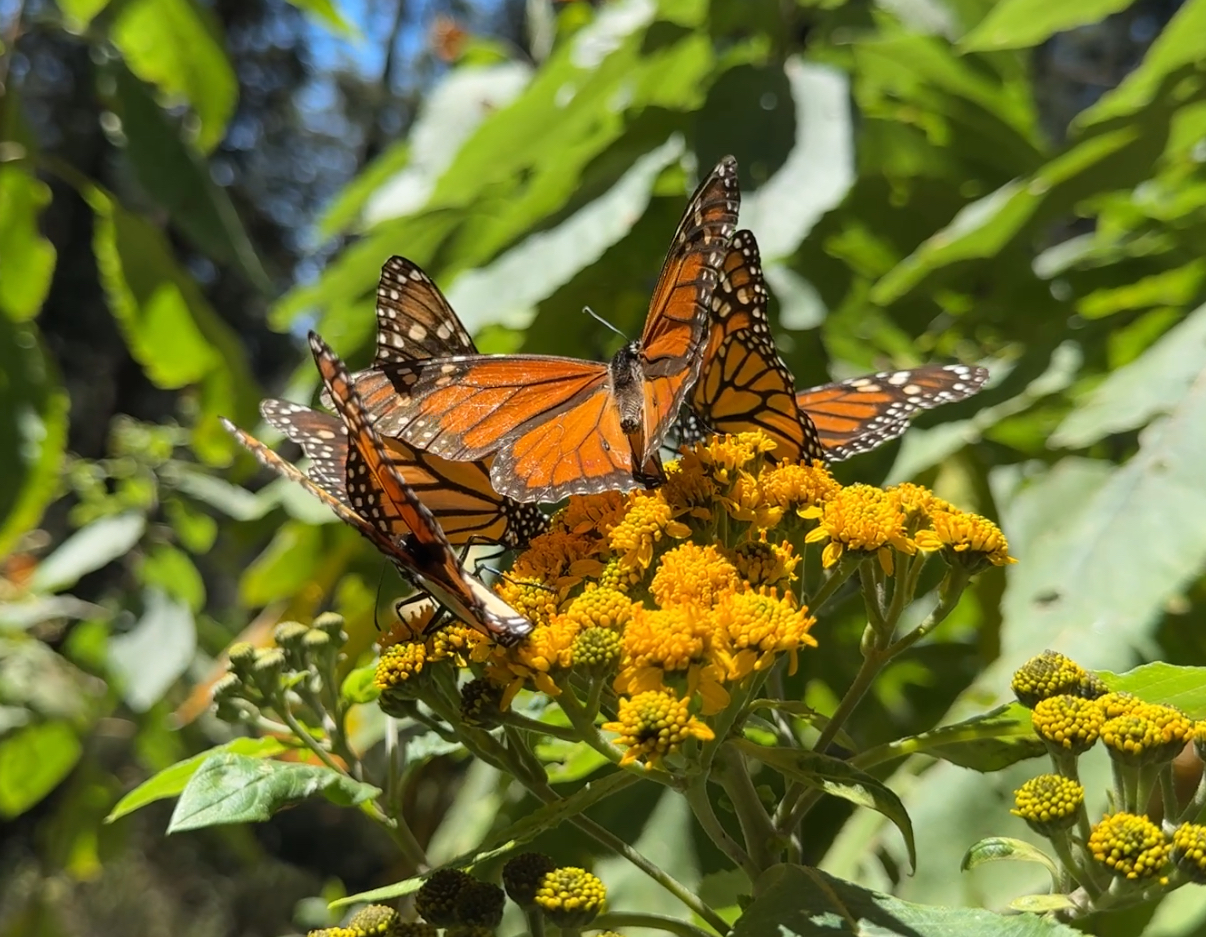
V. oncophora covered in monarchs, photo by fellow traveler Jennifer Elise of Journey with Jennifer LLC.

When trying to find records of this plant online, I came up empty. There seems to be very little information about it available outside of iNaturalist sightings. It was growing in sunny patches of open forest, with broad leaves and about 3 to 4 feet high. This plant is a member of the crownbeard flower family, all of which are white or yellow in color and in the subtribe Helianthieae.

From Mexico to My Yard

While these understory flowers of the central Sierra Madres wouldn’t survive in my garden back home, there are lots of great native and/or locally adaptable non-native options with a similar look that are better suited to the Great Plains climate. Instead of C. macrostemum, I could opt for a Penstemon pinifolius or Agastache ‘Firebird’. Both of these have orangey-red tube shaped flowers but can handle our hot, dry landscape.

Geranium maculatum is a native KS shade plant with an almost identical flower to the Geranium species found in Mexico. Verbesina has such a unique flower form, but the height and color can be recreated with ox-eye sunflower, Heliopsis helianthoides or even a black-eyed susan species like Rudbeckia lacinata.
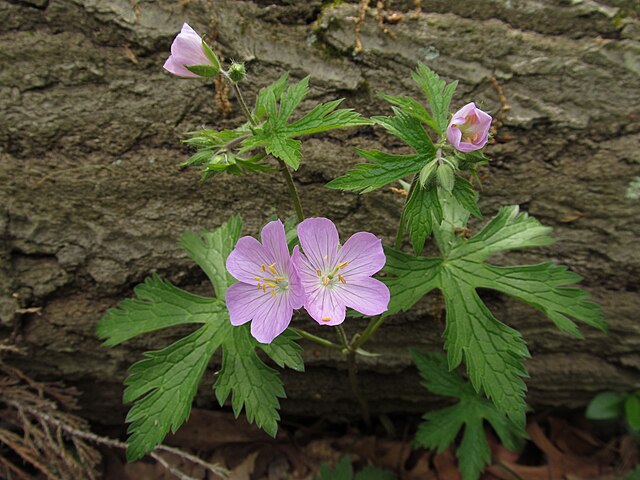
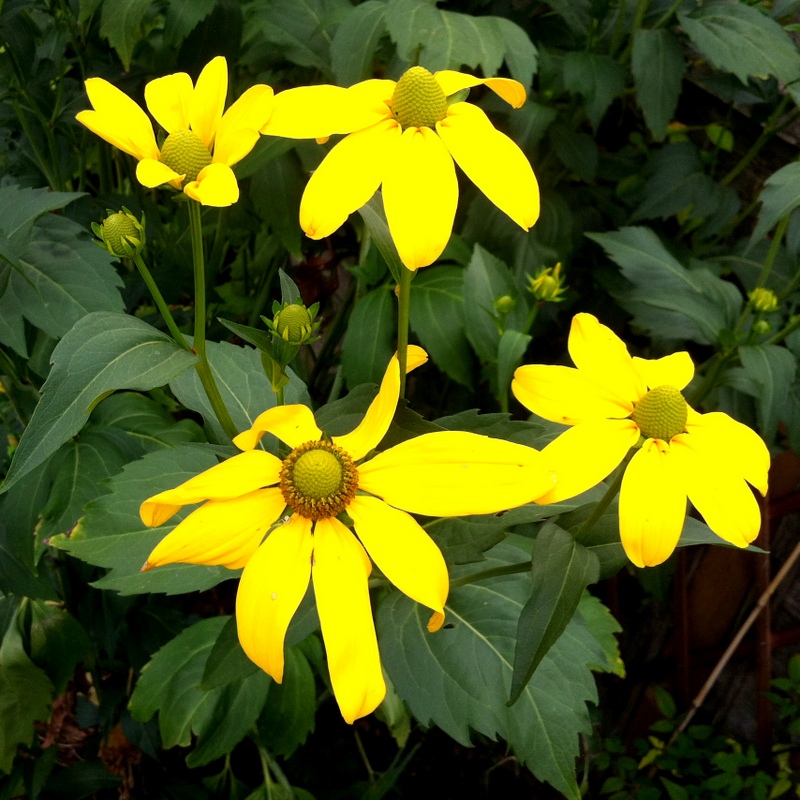
All of these plants are low maintenance and great for adding pollinator habitat to the garden. These, and many more, will be available at FloraKansas THIS WEEKEND!

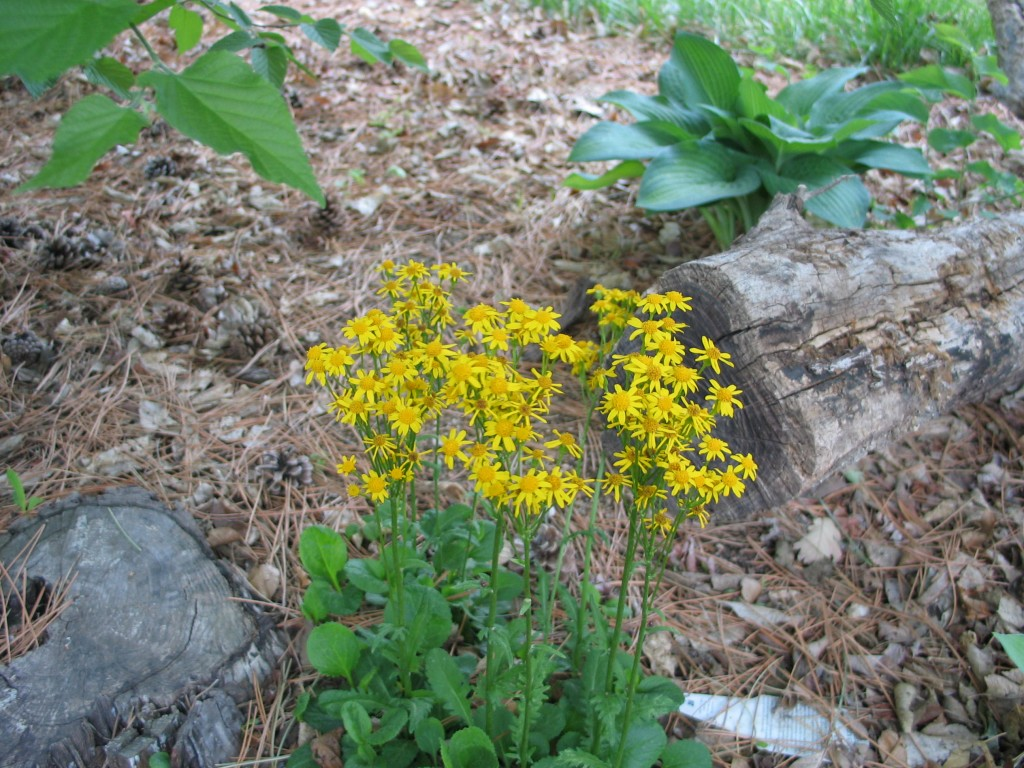
Kansas Native Shade Plants

South Central Kansas presents a unique challenge for gardeners: the region’s signature “oven-blast” summer winds and intense sun make shade a sanctuary, but the dense shade under established canopy trees can be a difficult place for typical bedding plants to thrive. Moving toward a native shade garden isn’t just an aesthetic choice; it’s a strategy for resilience. Here are some ideas that may help you as you think about your own shade garden.

The Ground Layer  

To build a successful shade layer, look to the woodland floor. Eastern Columbine (Aquilegia canadensis) is an excellent perennial for early spring color, offering delicate red and yellow spurred flowers that are magnets for migrating hummingbirds. Some nice spreading groundcovers would include woodland phlox, golden ragwort, wild ginger, and white woodland aster. For those dealing with “dry shade”—the notoriously difficult areas under large maples or oaks—Bluestem Goldenrod (Solidago caesia), Elm-leaf Goldenrod (Solidago ulmifolia) and Blue Wood Aster (Symphyotrichum cordifolium) provide a critical late-season nectar source for pollinators when most other shaded plants have finished blooming.

Texture and Structure

Structure is just as important as flowers in a shaded landscape. One of the best native ferns, such as the Lady Fern (Athyrium filix-femina), adds a soft, lace-like texture that contrasts beautifully against the bold, leathery leaves of Oakleaf Hydrangea (Hydrangea quercifolia). While many associate hydrangeas with high water needs, the Oakleaf variety is remarkably tough once established and provides multi-seasonal interest with its white summer panicles and deep burgundy fall foliage. Grasses and sedges are a great way to fill the voids and add late season interest, too.

Mimic Nature

Getting started requires a “layering” mindset rather than a “row” mindset. In nature, Kansas woodlands consist of a tall canopy, a middle understory of small trees like the Eastern Redbud, and a ground layer of perennials. To replicate this, clear out invasive species like non-native Bush Honeysuckle first, then focus on improving the soil with compost and leaves rather than heavy fertilizers. Planting in “drifts” of three or five of the same species will create a more natural look and make it easier for pollinators to locate their food sources in the darker understory. 

Here is a list of other shade plants for you to choose. 

Shrubs

  • Amelanchier Canadensis – Canadian serviceberry
  • Aronia arbutifolia – Red chokeberry  ‘Brilliantissima’ cultivar
  • Aronia melanocarpa – Black chokeberry   ‘Viking’, ‘Low Scape Mound’, and ‘Gound Hug’
  • Callicarpa americana – Beautyberry
  • Cephalanthus occidentalis – Buttonbush
  • Cornus amomum – Silky dogwood
  • Cornus racemose – Gray dogwood
  • Corylus americana – Hazelnut
  • Diervilla – American Bush Honeysuckle (Not invasive)
  • Hamamelis vernalis – Vernal Witchhazel
  • Hamamelis virginiana – Witchhazel
  • Ilex decidua – Deciduous holly
  • Ilex glabra – Inkberry
  • Lindera benzoin – Spicebush
  • Rhus aromatica – Aromatic sumac
  • Staphylea trifolia – Bladdernut
  • Viburnum acerifolia – Mapleleaf viburnum
  • Viburnum prunifolium – Blackhaw viburnum
  • Viburnum rufidulum – Rusty blackhaw viburnum 

Perennials

  • Actea pachypoda – Doll’s eyes
  • Allium tricoccum – Wild leek
  • Aquilegia canadensis – Wild columbine
  • Asarum canadense – Wild ginger
  • Eupatorium purpureum – Sweet joe-pye-weed
  • Eupatorium rugosum – White snakeroot
  • Eurybia divaricata – White woodland aster
  • Geranium maculatum – Wild geranium
  • Helianthus angustifolius – Narrow-leaved sunflower
  • Helianthus giganteus – Swamp sunflower
  • Heuchera Americana – Alum root
  • Lysimachia cilliata – Fringed loosestrife
  • Maianthemum canadense – Wild lily-of-the-valley
  • Phlox divaricata – Woodland phlox
  • Podophyllum peltatum – May apple
  • Polygonatum biflorum – Solomon’s seal
  • Smilacina racemose – False solomon’s seal
  • Solidago caesia – Bluestem goldenrod
  • Solidago odora – Anise-scented goldenrod
  • Solidago ulmifolia – Elm-leaf Goldenrod
  • Symphyotrichum cordifolium – Blue wood aster

Graminoides

  • Carex appalachica – Appalachian sedge
  • Carex pensylvanica – Pennsylvania sedge
  • Carex rosea – Rosy sedge
  • Carex texensis -Texas sedge
  • Chasmanthium latifolium – Riveroats (AGGRESSIVE)
  • Deschampsia flexuosa – Common hairgrass
  • Elymus hystrix – Bottlebrush

Maintenance

Maintaining a shade garden in South Central Kansas requires a “low-intervention” approach that prioritizes moisture retention and soil health. Our region typically has heavy clay soils that can swing from waterlogged to bone-dry in a couple of weeks. We recommend applying a two- to three-inch layer of organic mulch—such as shredded leaves, compost or, ideally, fallen leaves (leaf mold) to maintain a cooler root zone and suppress weeds.

Native species are quite adaptable to the specific clay-heavy soils and erratic moisture cycles of the Great Plains but even the hardiest shade plants will struggle without regular watering through the summer months. After all, you are trying to grow them in an area that was once a vast prairie with limited rainfall, not a forest with more consistent rainfall throughout the year.

Watering should be done deeply but infrequently at the base of the plants to encourage deep root systems, specifically during the “flash droughts” common in July and August. During these prolonged periods without beneficial rainfall, weekly watering is essential to sustain your shade garden.  Unlike sun-loving gardens that may require some deadheading, a native shade garden benefits from being left alone in the fall; leaving the spent stalks and leaf litter provides critical overwintering habitat for beneficial insects and naturally replenishes the soil nutrients for the following spring.

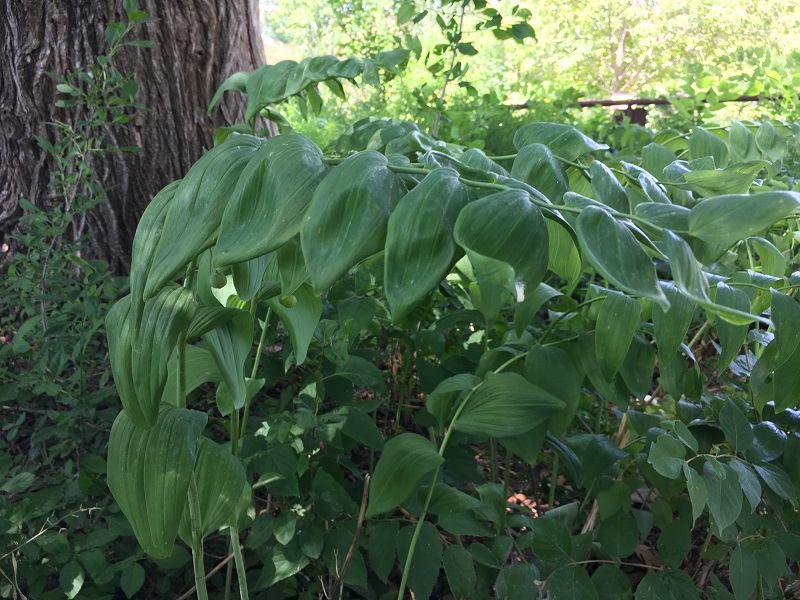
Arching stems of Solomon’s Seal

Native Milkweeds

The Essential Foundation of the Butterfly Garden

Native milkweeds (genus Asclepias) are far more than just roadside weeds; they are the biological foundation of our resilient North American landscape. As the sole host plant for Monarch butterfly larvae, milkweeds provide essential chemical compounds that protect these iconic insects from predators. By integrating native species into your garden, you aren’t just adding greenery—you are participating in a larger conservation effort to stabilize declining pollinator populations.

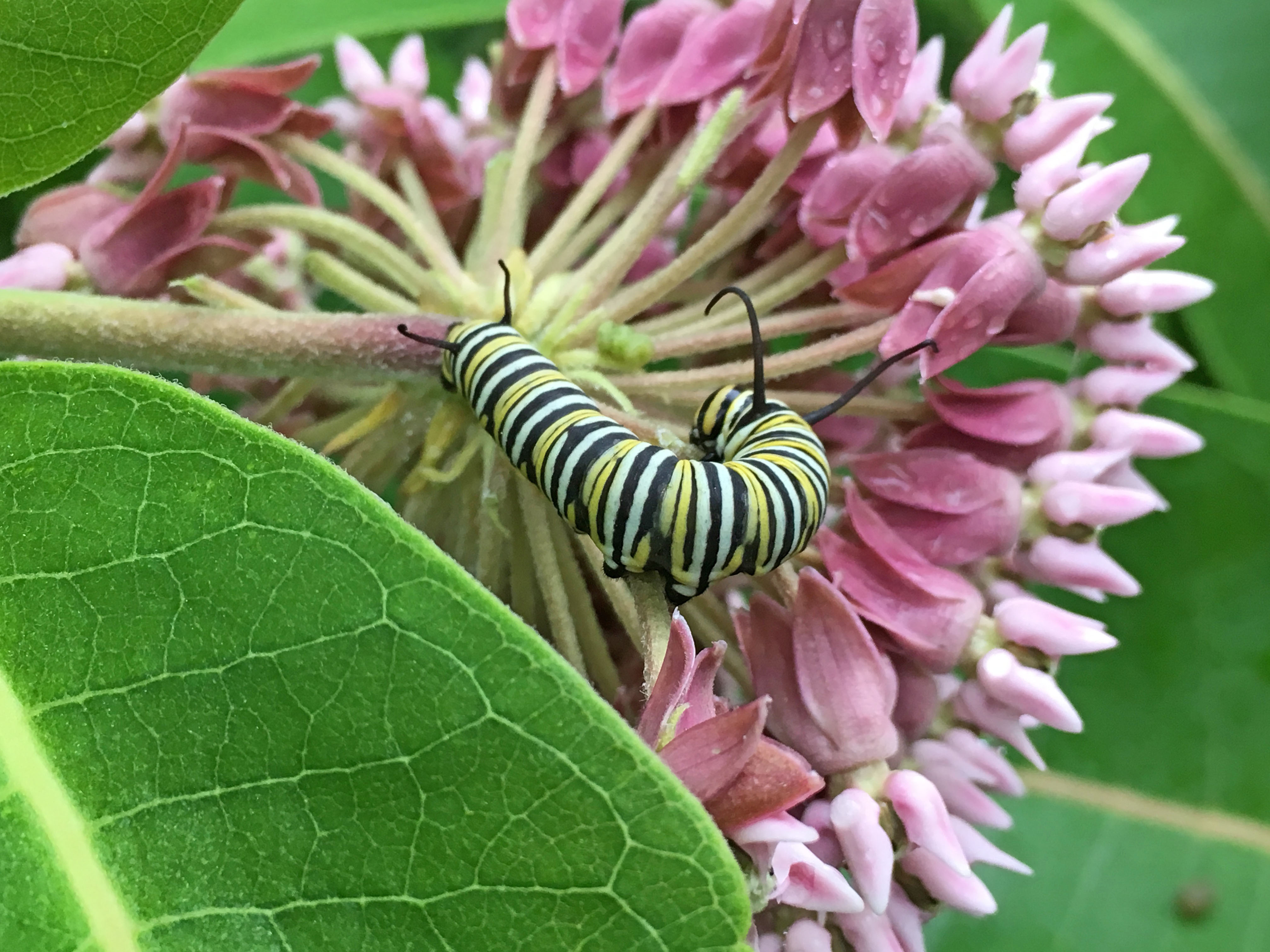
Monarch caterpillar on common milkweed (Photo by Brad Guhr)

Selecting the Right Species for Your Soil

One of the most common misconceptions is that all milkweeds require the same environment. To ensure success, you must match the plant to your specific site conditions. Swamp Milkweed (Asclepias incarnata) thrives in heavy clay and moist soils, making it perfect for rain gardens or along a pond edge like we have at the Arboretum, while Butterfly Weed (Asclepias tuberosa) demands sharp drainage and sunny, dry spots. Choosing a species indigenous to your specific ecoregion ensures the plant will thrive with minimal supplemental watering once established.

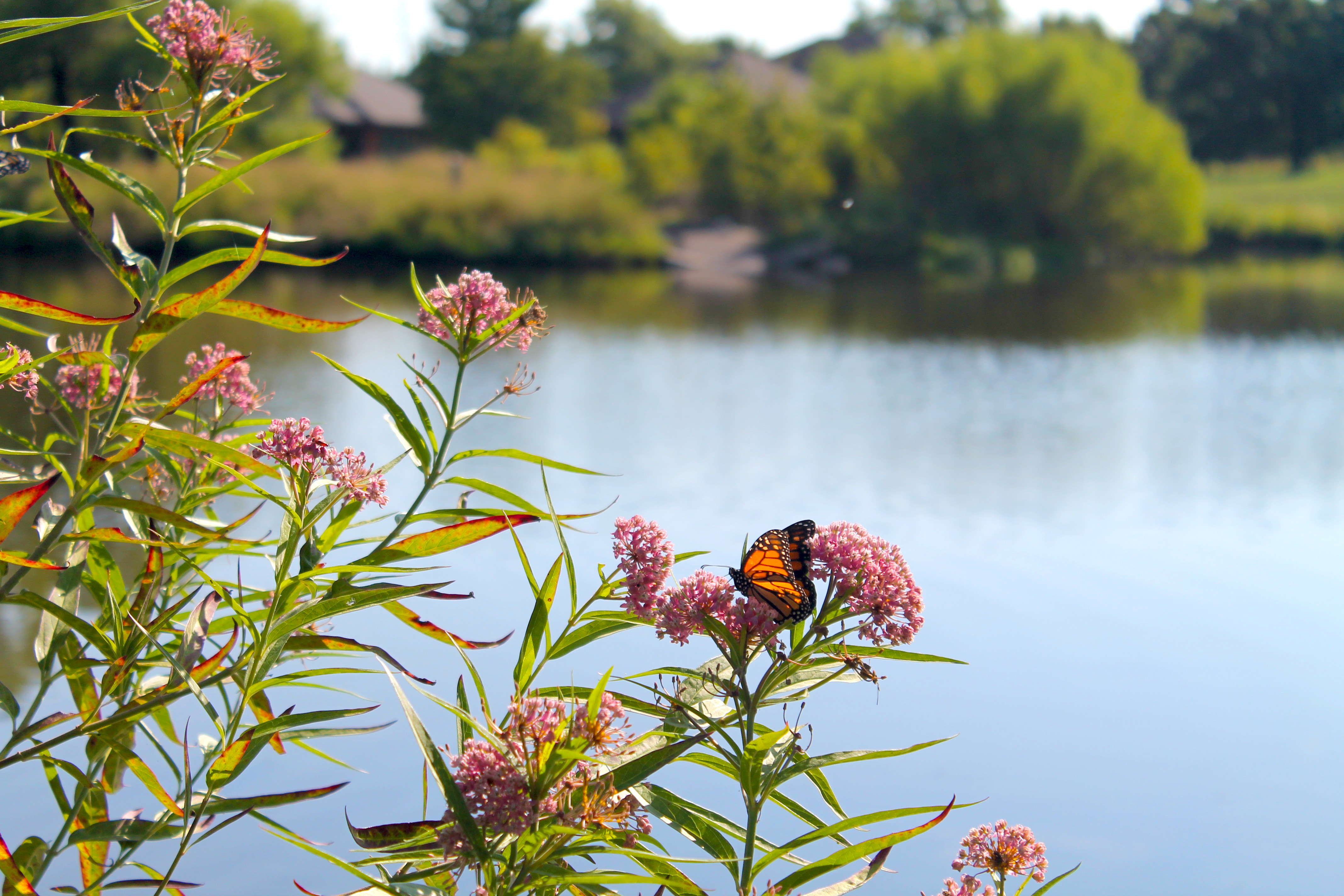
Monarch butterfly on swamp milkweed, Asclepias incarnata, in late August. Hesston, Kansas. (Photo by Janelle Flory Schrock)

Aesthetic Appeal Beyond Utility

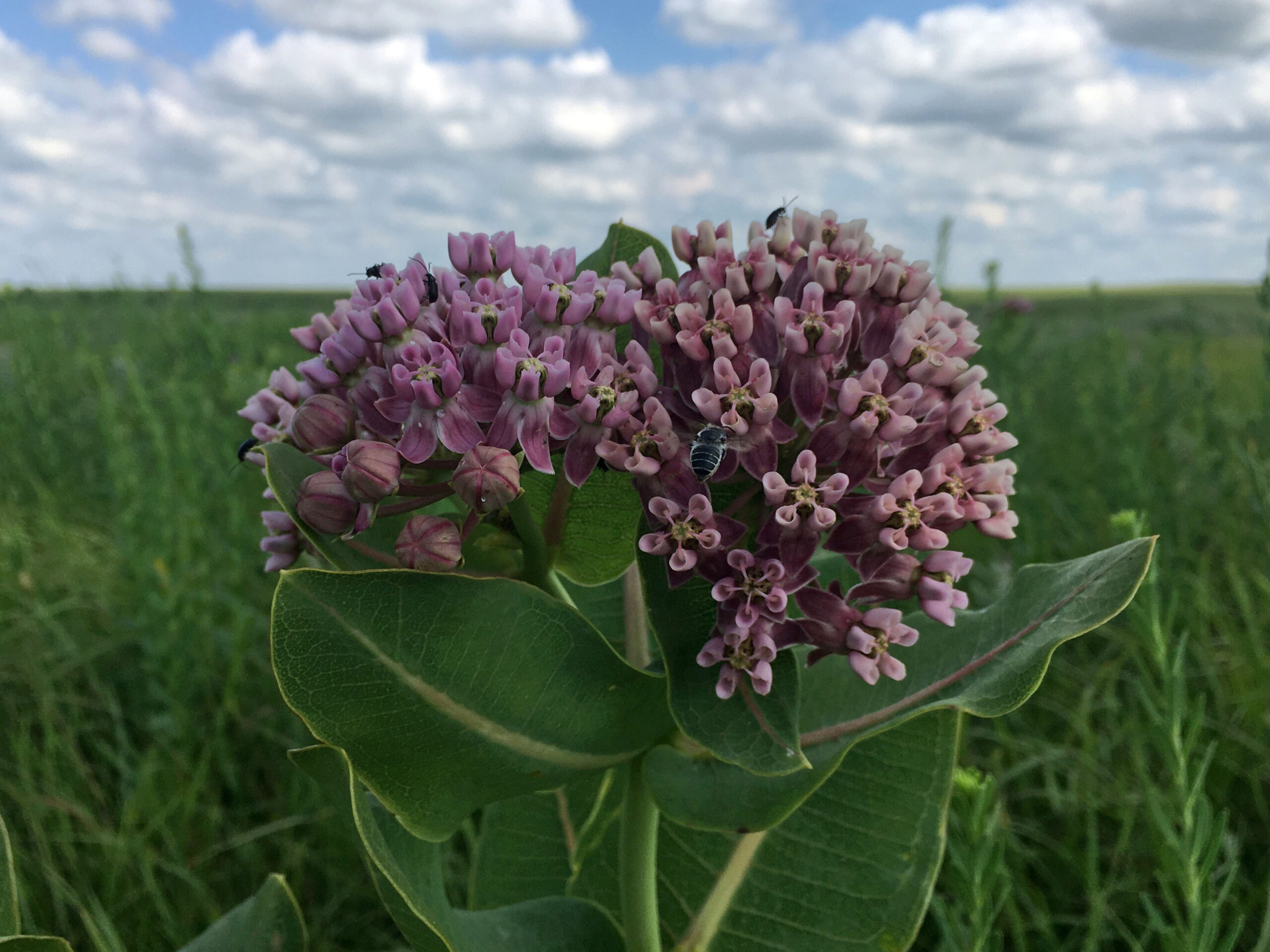
Beyond their ecological impact, native milkweeds offer striking ornamental value that rivals traditional nursery bedding plants. The vibrant, tangerine clusters of Butterfly Weed provide a rare “true orange” to the summer border, while the architectural, spherical blooms of Common Milkweed (Asclepias syriaca) fill the evening air with a heavy, honey-like fragrance.  Other spreading but valuable milkweeds are Sullivant’s Milkweed (Asclepias sullivantii) and Showy Milkweed (Asclepias speciosa). Each milkweed has unique seed pods that also provide late-season visual interest, eventually opening to release silken “floss” that catches the autumn light.

Sullivant’s milkweed at Chase State Fishing Lake. Photo by Brad Guhr.

Managing Growth and Expectations

Integrating milkweed into a formal landscape requires a bit of strategic planning. Some species, like Common Milkweed, Sullivant’s Milkweed, and Showy Milkweed spread aggressively via underground rhizomes and are best suited for meadow-style plantings or large back-borders.  Plant these spreading milkweeds with other pushy natives like beebalm, spreading goldenrods, gray headed coneflower and Brown eyed susans and let them fight it out. For smaller urban plots, “clump-forming” varieties like Whorled Milkweed (Asclepias verticillata), Green Antelopehorn Milkweed (Asclepias viridis), and Butterfly Milkweed offer a more refined, airy texture that won’t overtake neighboring perennials. Deadheading spent blooms can prevent unwanted self-seeding, though leaving a few pods is vital for the next generation of plants and silk-gathering birds.

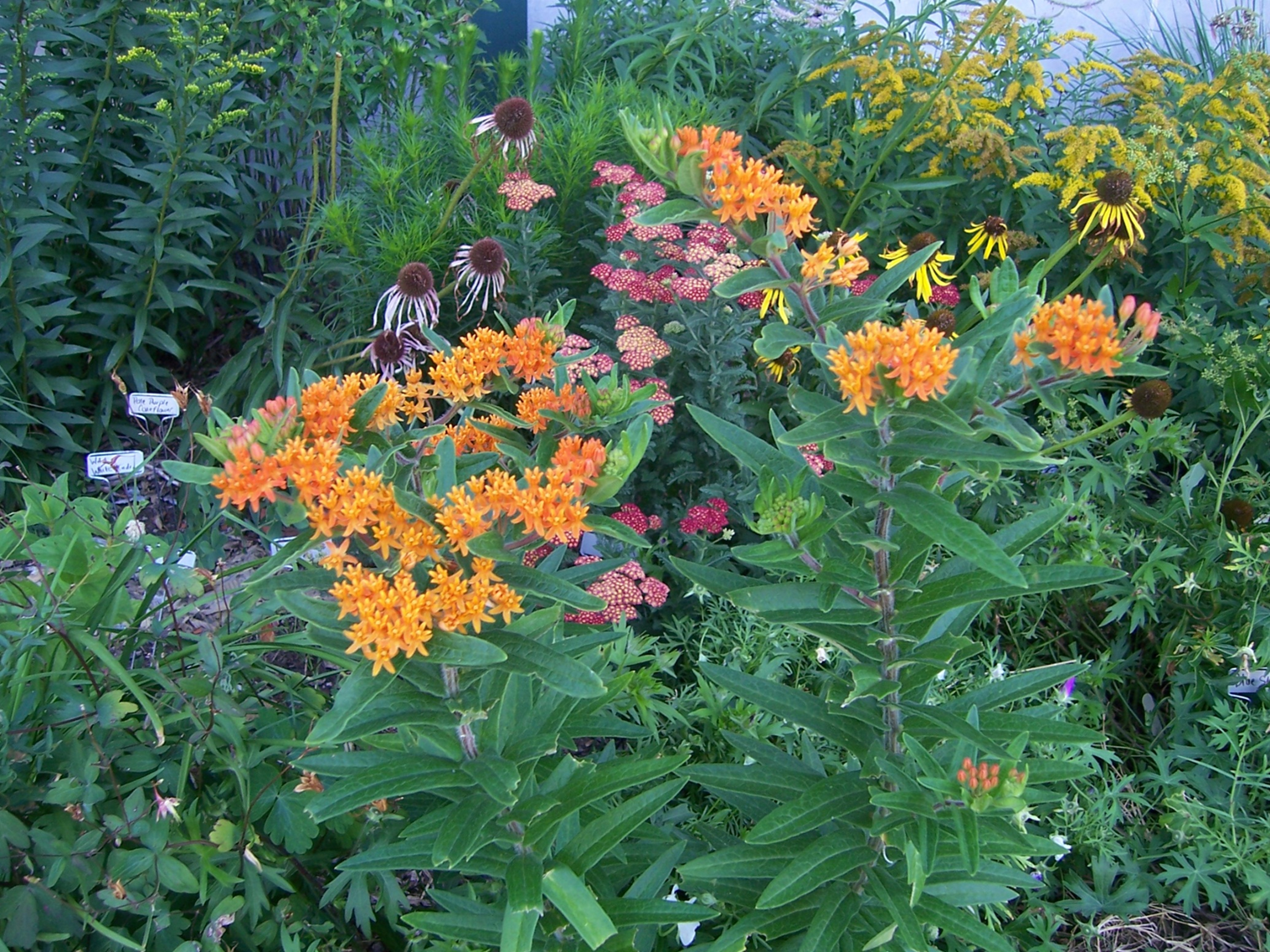
Butterfly Milkweed with yarrow, coneflowers and Golden Baby early goldenrod.

A Year-Round Wildlife Hub

The value of milkweed in the landscape extends well beyond the Monarch. The high-quality nectar produced by Asclepias flowers supports a diverse “who’s who” of beneficial insects, including honeybees, specialized milkweed bees, and predatory wasps that provide natural pest control. Even in winter, the sturdy stalks can provide nesting habitat for native bees. By choosing native milkweeds over exotic alternatives like Tropical Milkweed—which can harbor parasites—you create a safe, synchronized, and spectacular sanctuary right in your own backyard.

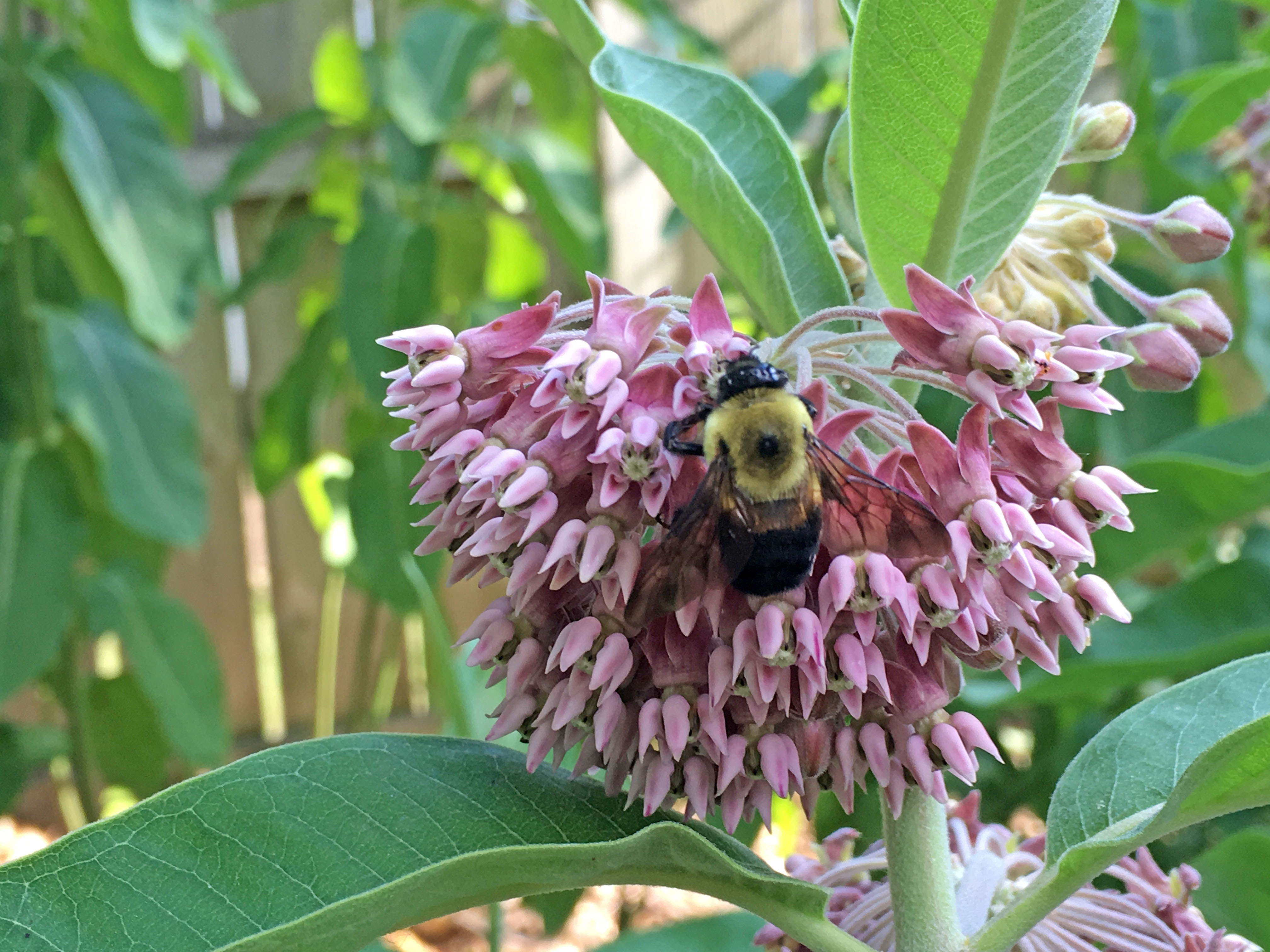
Bumblebee on common milkweed.

Monarchs in Mexico

This February I had an opportunity to visit the monarch butterfly overwintering grounds in the Sierra Madres mountains of Mexico. It was AMAZING! Yes, really, it was all-caps level cool. The trip was an absolute dream that I will surely be retelling for years to come. Starting now! Read on for info on the monarchs, their incredible migration, and my experience visiting their wintering grounds.

Short Flight for Me, Long Flight for Them

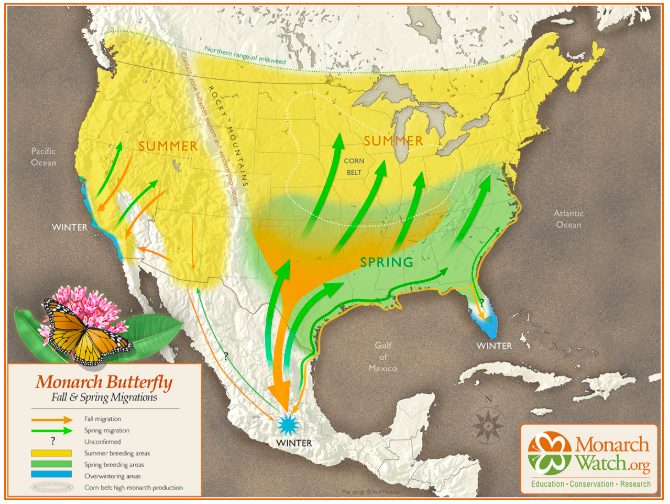
I flew into Mexico City in late February, which is the perfect time of year to visit the monarchs. DFT to MEX is a quick three hour flight. But as I was floating up above the clouds, cozy in my seat with a beverage and a snack, I thought of how much tougher the monarchs have it! Starting in the northern US and Canada, they depart in late summer and fly for 4-8 weeks to reach Mexico by late October. Seemingly so fragile, with tiny bodies and impossibly thin wings, yet they endure so much – rain, wind, hailstorms, heatwaves, miles and miles of monocrop agriculture without a nectar plant in sight to fill their bellies! It seems like slim odds that any survive the trip, but somehow they do.

Most monarchs only live for a month or so, and it takes 4-5 generations to make it from Mexico to Canada. But the “super generation” born in mid to late summer has a 9x longer lifespan! They make the entire flight south, overwinter in the forests, and begin the first leg of the northward journey as well, laying eggs on milkweed in northern Mexico and Texas so the next generation can continue on. This graphic was provided with permission by MonarchWatch.org

High Altitude Hike

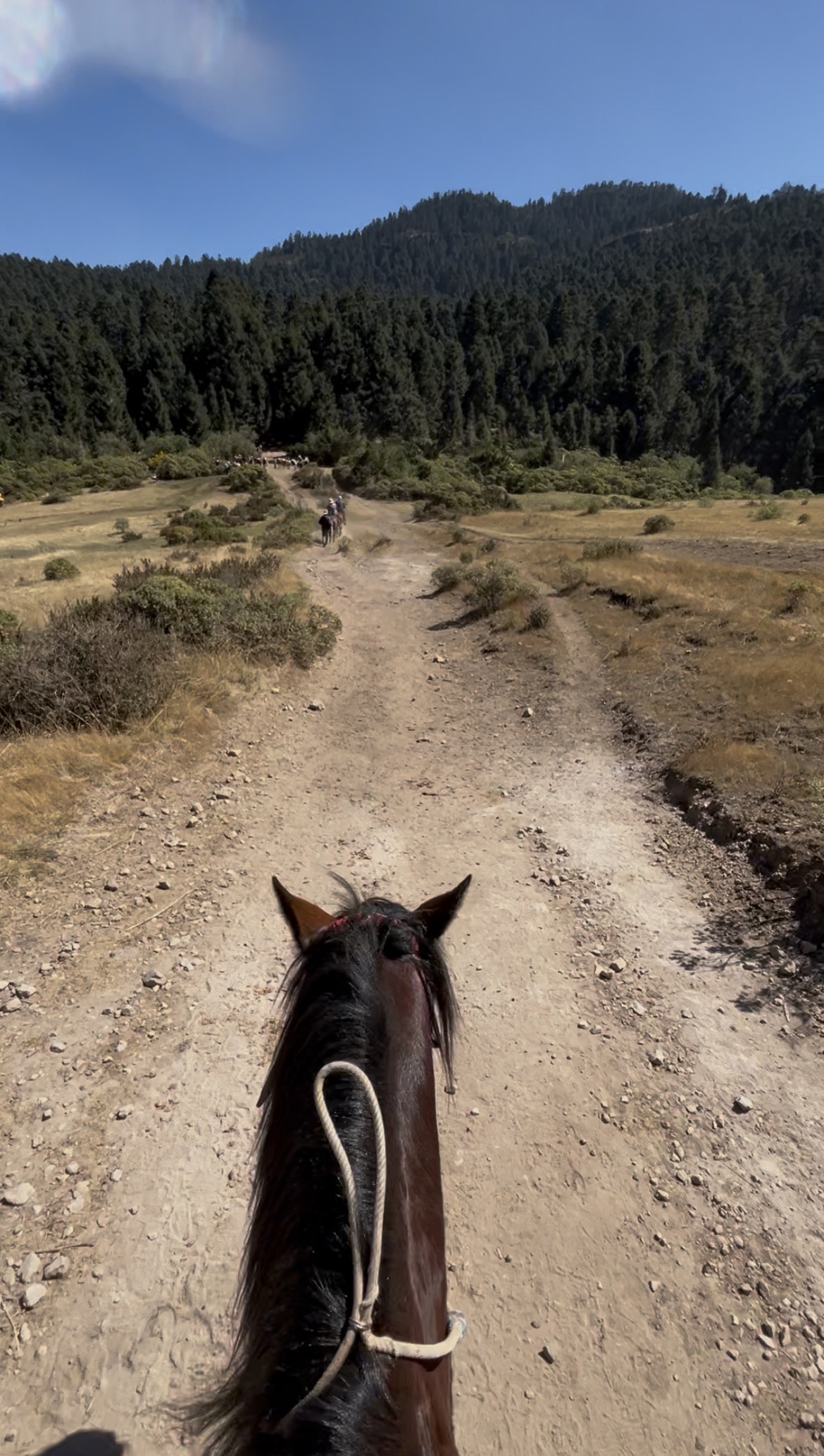
Once in Mexico, they gather in a particular part of the Sierra Madres mountain range. In total, their overwintering area covered 7.24 acres this winter, which is a 64% increase over last winter. This is great news! Their favorite spots are located within the state of Mexico and the state of Michoacán, in high mountain elevations between 9,000 and 11,000 feet. They are choosy creatures, preferring to gather on in areas with Oyamel fir trees (Abies religiosa). For the visitor, this means traveling a few hours from Mexico city by car, then an hour on horseback up the mountain, then another 45 minutes to an hour on foot to reach their roosts. Local guides and sanctuary employees keep tabs on the butterflies’ location, and change the footpaths as needed, so the hike may be longer or shorter depending on where they are at when you visit.

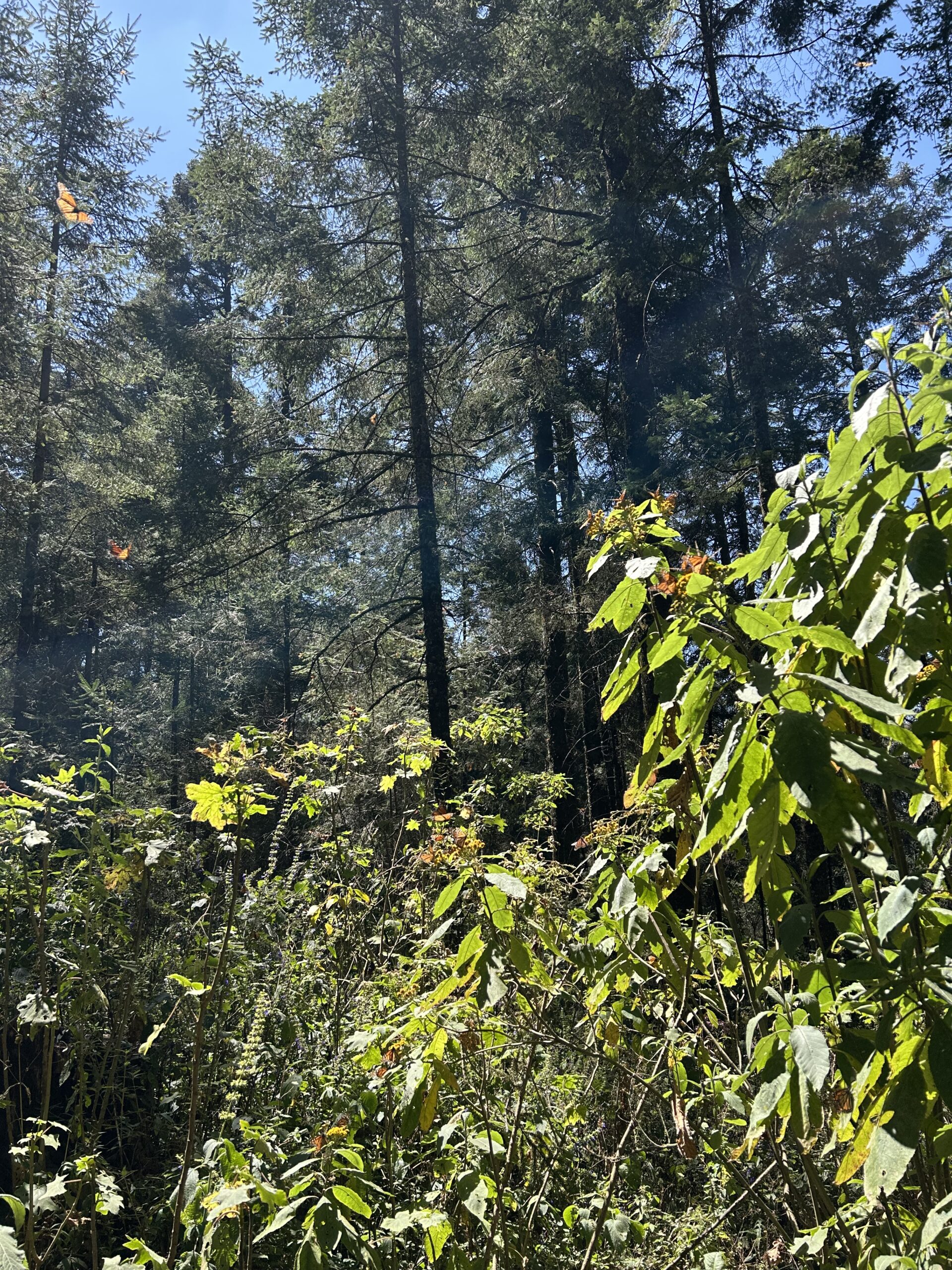
My horse for the day, Misterio, carried me most of the way to the monarchs, but we dismounted at the start of the trees seen here, and went on foot the rest of the way up.

Wonderland

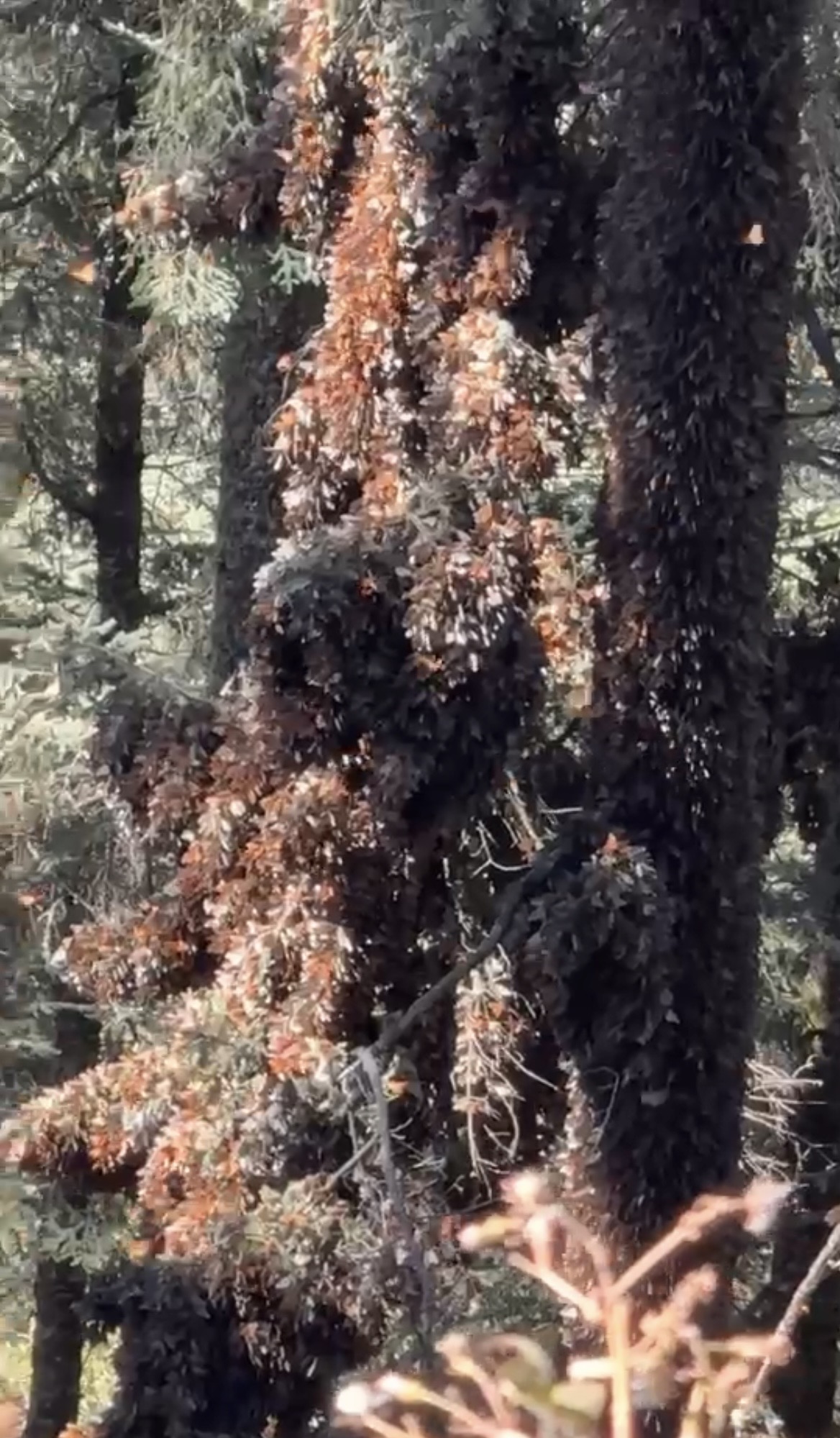
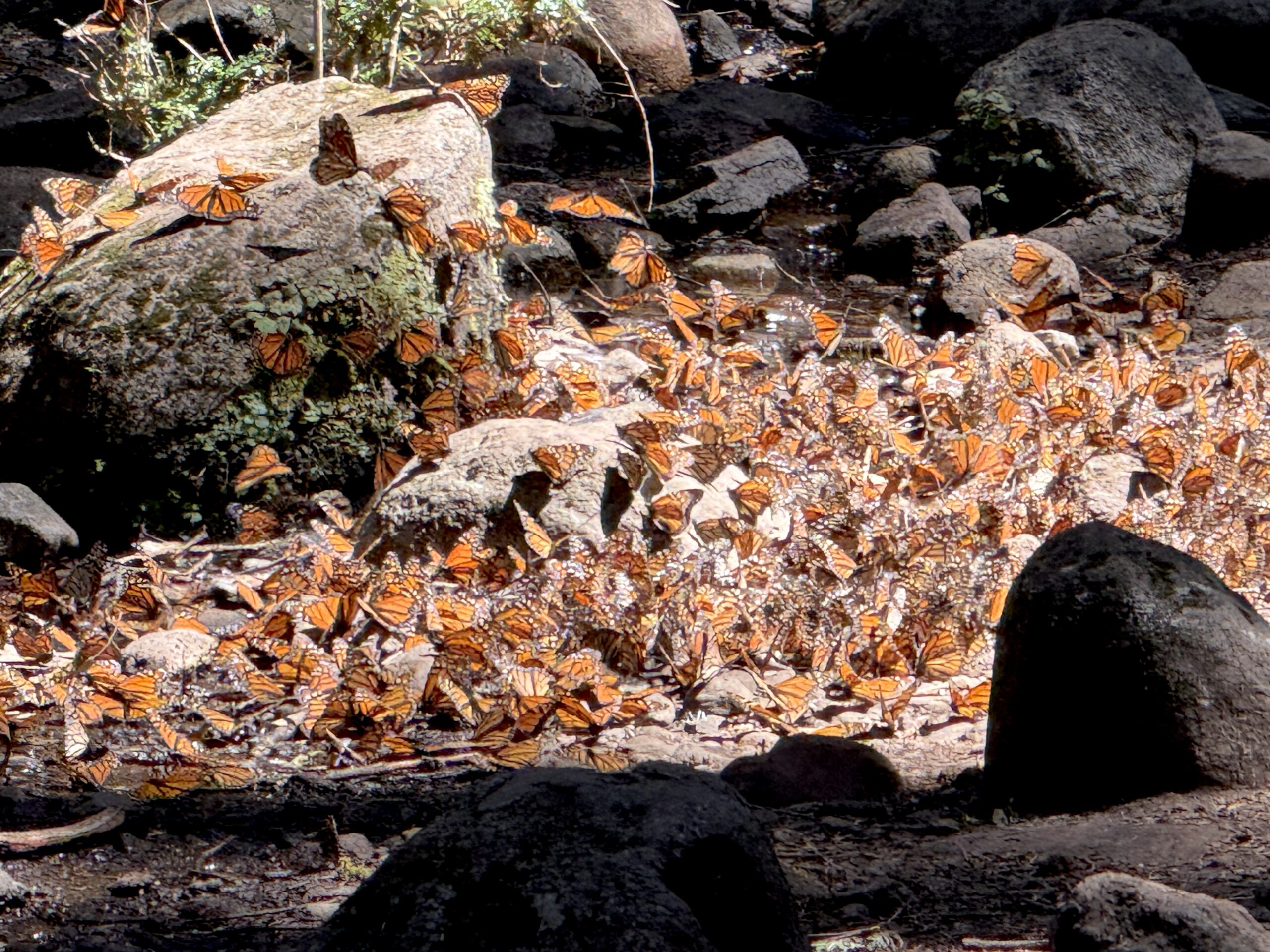
The travel time and hike, no matter how long, is worth it. As you get closer, you might see a single monarch flitting across your path, and then another, and another. Suddenly, you’re in a cloud of them! My visit day was warm and sunny, so the monarchs were very active. They flew overhead in every direction, bordering on a swarm. I hardly knew where I was walking, as I was looking up instead of down. The narrow dirt paths are roped in these areas, probably to keep us from falling to our deaths from not watching where we step. But also to keep visitors from getting too close to the roosts, where thousands (maybe millions?) of butterflies hang off the tree branches in fluttering clusters.

Photos below taken by another traveler in my group, Jennifer Elise at Journey with Jennifer LLC.

The Sound of Monarchs

Sanctuary guides and locals may journey up the mountain with visitor groups simply to enforce the cardinal rule: Shhhh! Remaining quiet, so as not to disturb or startle the butterflies, is important. And it also enhances the sensory experience — the quiet of the forest is punctuated by bird call, rustling leaves, and wind through pines. And the most magical of all sounds? Butterfly wings! Thousands of them together beating the air makes a faint sound like moving water.

Unfortunately, the sound does not capture well on my simple iphone video capture, so you will just have to plan a trip yourself to hear it!

Needless to say, I was transfixed. I could have stayed there for hours, watching them fly and feed and mate and fight. Insects are more complex than we give them credit for, and this awe-inspiring phenomenon is a reminder of that. All insects, from charismatic butterflies to the humble cricket, are fascinating and essential parts of our ecosystem. Stay tuned for a follow up of this blog, detailing the flowers of the Oyamel understory (the blooms these monarchs feed on in spring, their final meal before heading north again!) and tips for some native Kansas analogs you can plant for them to sip on once they reach us here.