
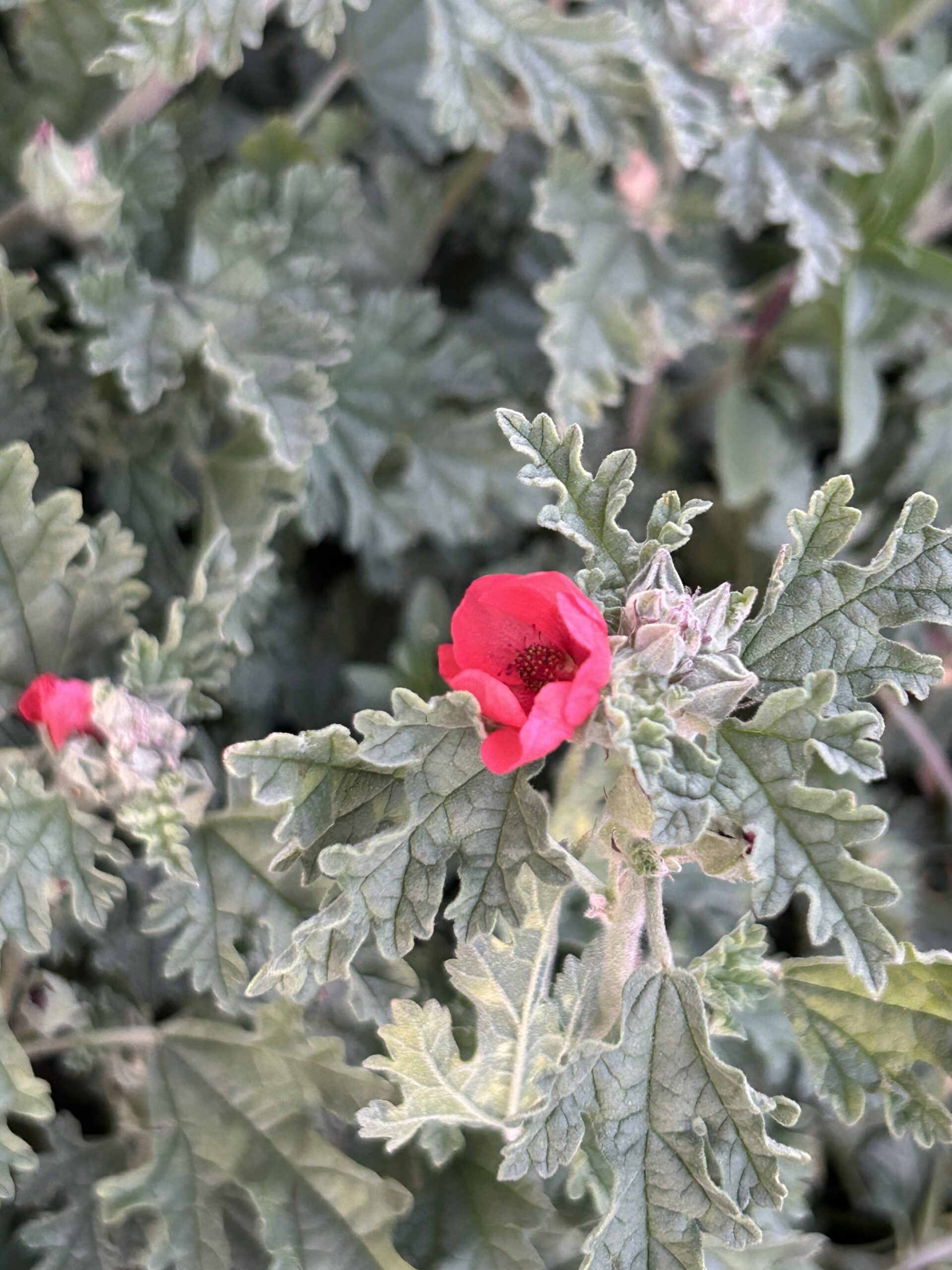
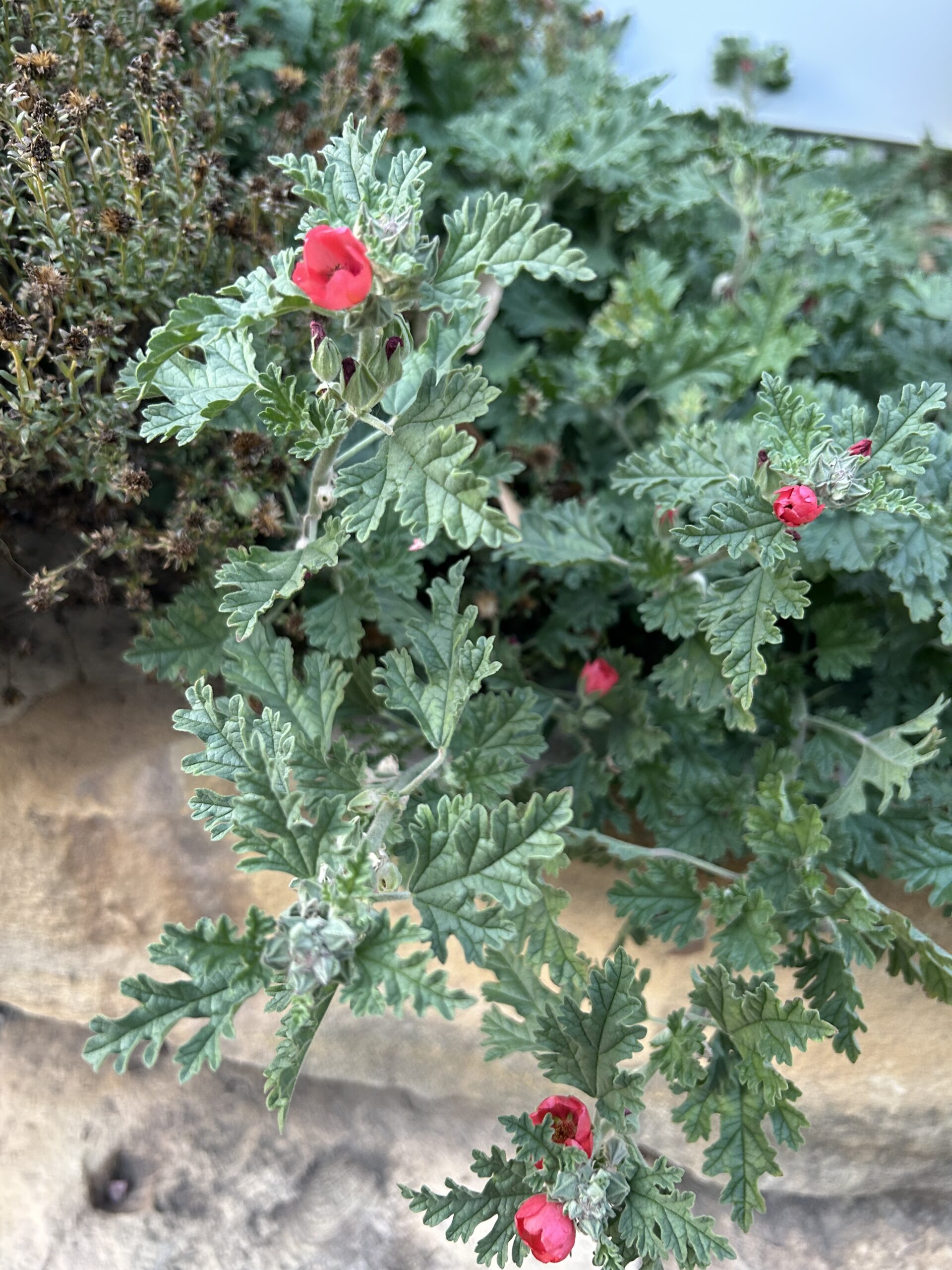
It is hard to find things that will bloom in November. Usually the only things still blooming are asters and witchhazel bushes, but last year the scarlet globe mallow surprised me! The following photos are from November 14th, well into the cool season. It was still going strong and even attracting pollinators. This plant was a new addition to my home garden this spring and it did not disappoint. Read on to learn more about this western Kansas native and how to use it in the landscape.
A Western Beauty
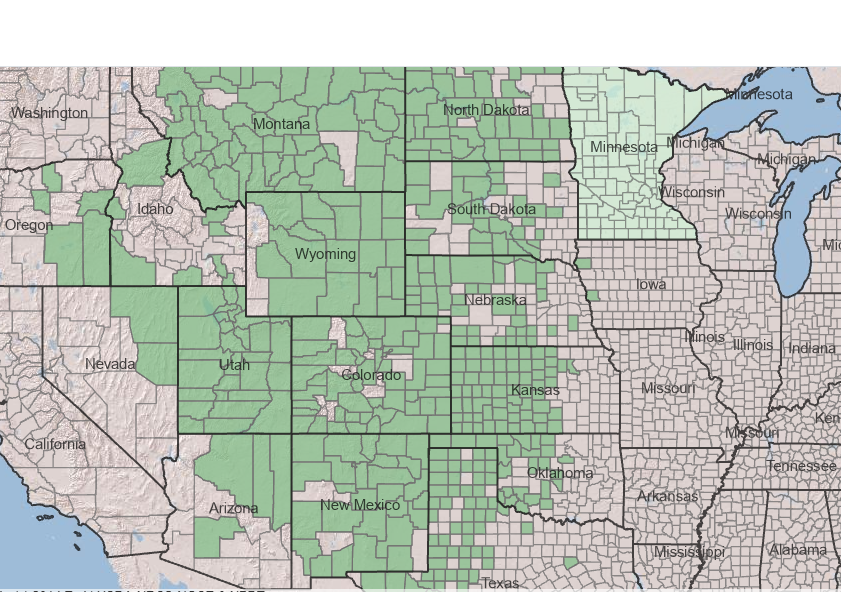
Scarlet globemallow (Sphaeralcea occinea) is native to a huge swath of the western United States, from Kansas to Utah and from New Mexico to Montana. Its range also extends north into Canada and south into the deserts of Mexico. It is in the Malvaceae family, which is why its bloom bears a resemblance to distant cousins like hollyhock, hibiscus, and purple poppy mallow. S. coccinea can withstand extremes of hot and cold temperatures and thrive in thin, rocky soils. Attractive to pollinators, grazed by deer and pronghorn, and visited by birds for its seeds, it is likely a welcome site to many animals living in inhospitable environments.
From Wild to Mild
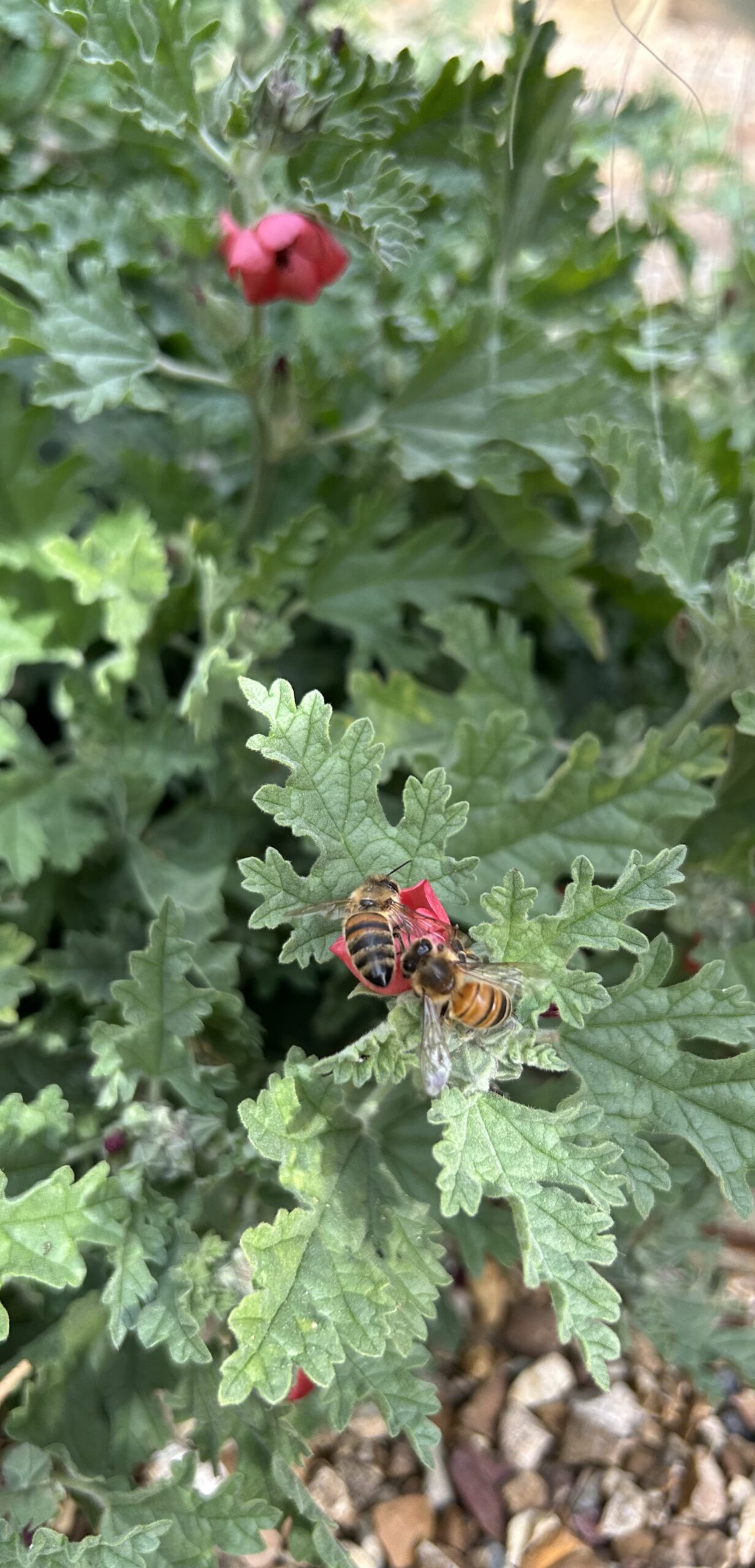
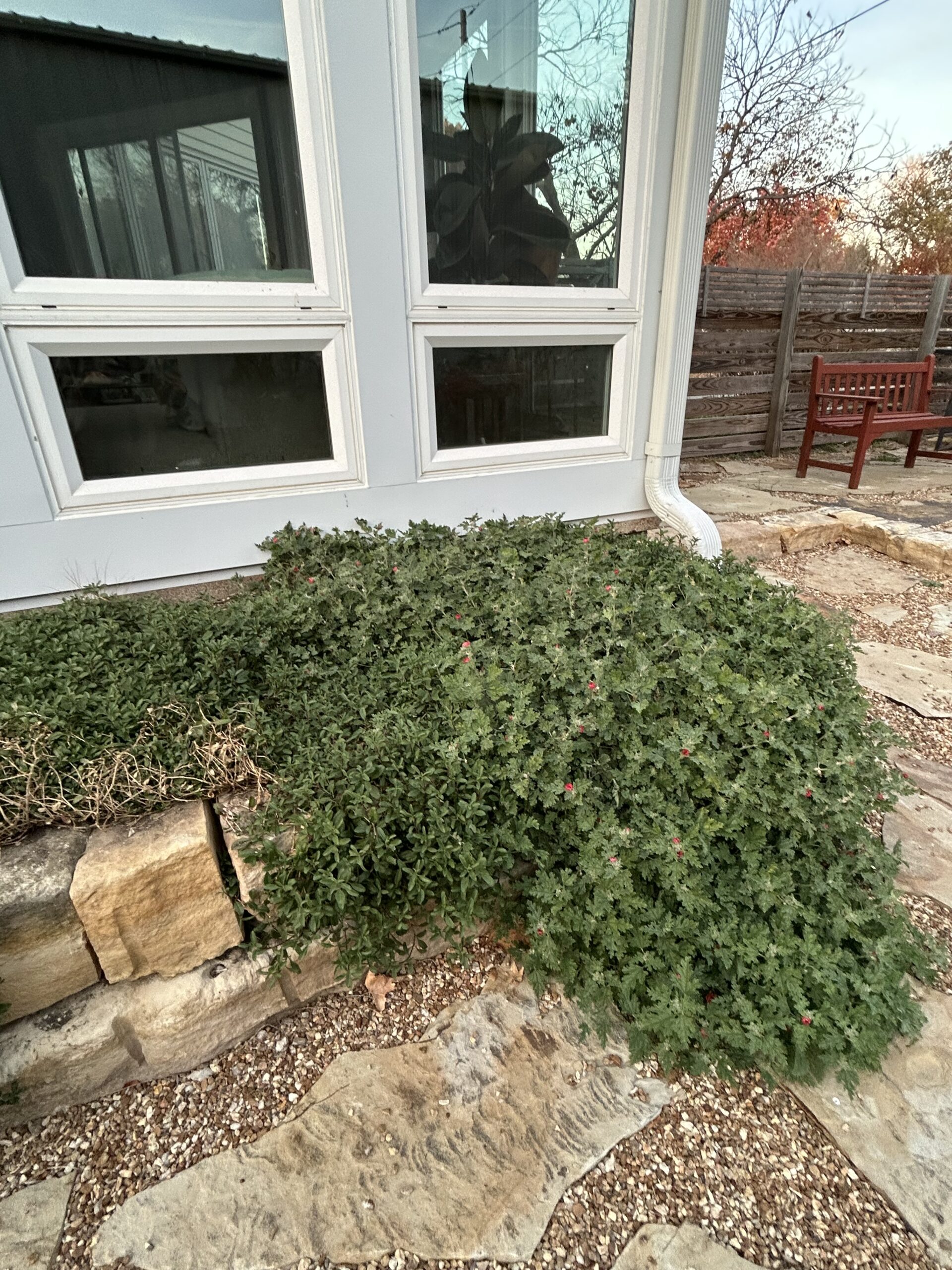
While I am not looking to attract any pronghorn to my urban landscape, I was happy to see bees buzzing around it even late into the season. Despite its rugged preferences, it fits in well in the average home garden. But only if you have the right setting: rocks, hot south exposure, full sun, good drainage. The raised bed off our sunroom gets blistering sun all afternoon in summer. The eaves overhang here and block most of the rain from falling on this bed, so it relies on my less-than-reliable hand watering. Nevertheless this plant got absolutely HUGE this year, much larger than expected. The abundant rains this year did hit the very edge of the bed and must have supercharged its growth, as it quickly started spilling out of the raised stone bed and onto the walkway.
Garden Tips for Globemallow
Scarlet Globemallow should be used as a ground cover and filler plant. It has beautiful quarter-size blooms and stays relatively short, less than 16″ tall. This plant seems to become more upright and less leafy with drought stress and hotter temps, though mine stayed very lush and trailing all summer. It would look fantastic paired with drought-loving grass (like blue grama), a spring bloomer (like Missouri evening Primrose) and a taller show stopper (like Solidago rigida). This simple combination would give your garden multi-season interest with very low water needs and plenty of flower for pollinators to visit. I planted mine alongside Fendler’s aster and non-native Saponaria ocymoides. While I like them all individually, the habits were all too similar for my taste. I may swap out a few plants this spring to make room for grasses or something with a more vertical habit.
All these plants mentioned and more will be available at our spring FloraKansas fundraiser event! Its a great chance to get your hands on hard-to-find native and adaptable plants for our region, and chat with experts who can answer your garden questions. We’d love to see you there, and to see more Scarlett Globe Mallow making its way into the home gardens of our members and friends.