
This is the second post in a series, with the first one detailing my visit to the Monarch Butterfly sanctuaries found here.
While my main goal in Mexico was to see butterflies, I never pass up a chance to botanize! There were some spectacular flowers in the understory of the Oyamel fir forest, most of which were completely new to me. Thanks to my knowledge of plant families I was able to at least make a close guess on site, and then research them deeper once I was back within wi-fi range. These are the flowers that fuel the first leg of the monarch’s journey north in spring. At the end of the post I’ll include some great analogs for our area to provide that much needed nectar once the butterflies reach us!
Clinopodium macrostemum
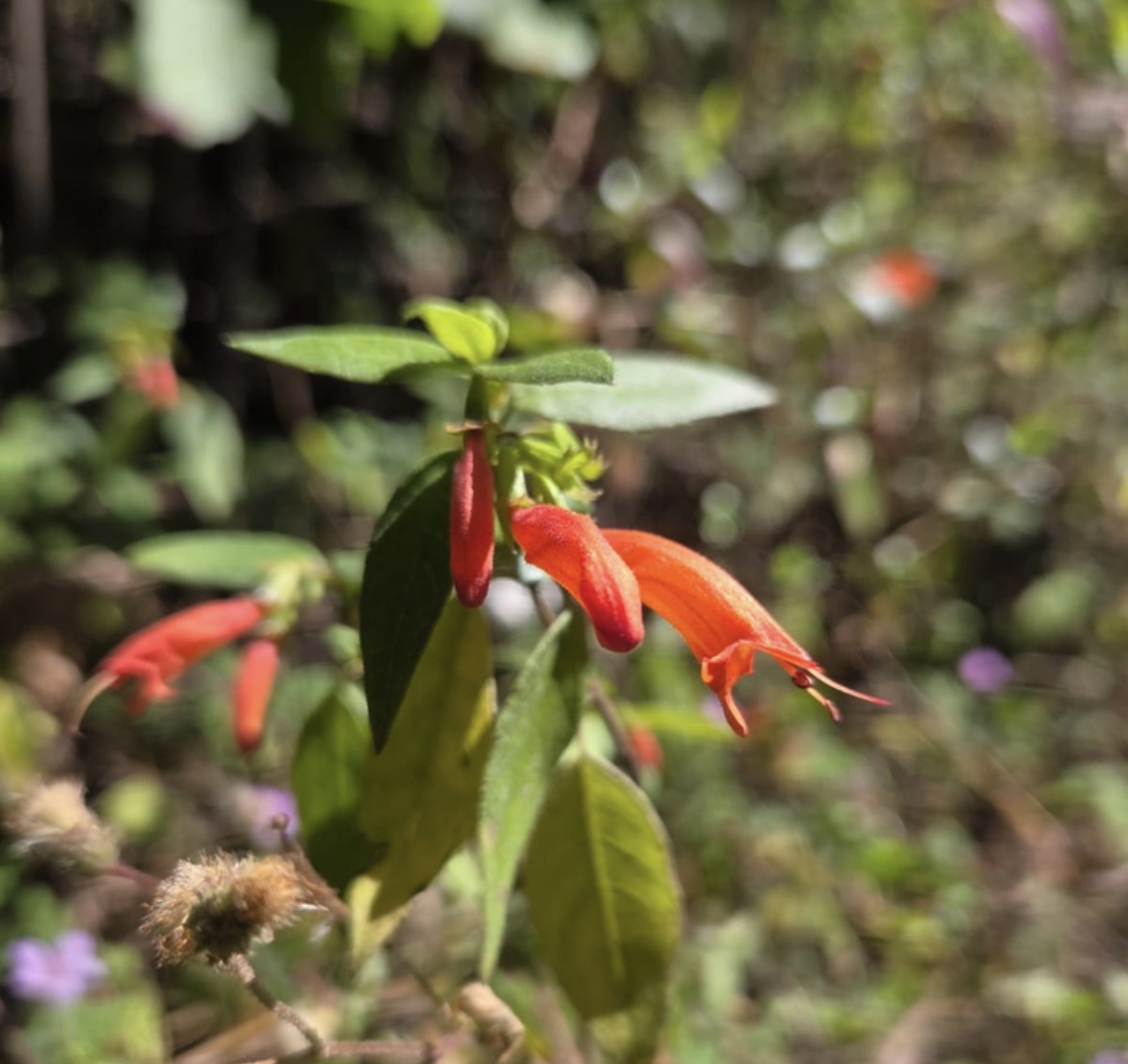
We were just past 11,000 feet high at El Rosario Butterfly Reserve and I was feeling…bad. The steep incline and lack of air was getting to me. Our guide spotted me leaning on a tree, probably looking a little limp and pathetic. He tore a few leaves from a nearby plant and shoved them under my nose — whoa! What a pick me up! The minty, citrusy, peppery scent opened my nostrils and sharpened my air-starved mind. My Spanish is barely passable, enough to say thank you and ask what it was. His English was not much better, but we made it work: he told me that the plant with the orange flowers helps with altitude. They are also known as “Yerba de Borracho”, herb of the drunk man. Good for a hangover! He winked. I laughed it off at first, then decided I should keep some in my pocket. If I survive the trip back down, I planned to sample regional mezcal at lunch, and may need it!
Dear reader: I did, indeed, need it.
Geranium potentillifolium
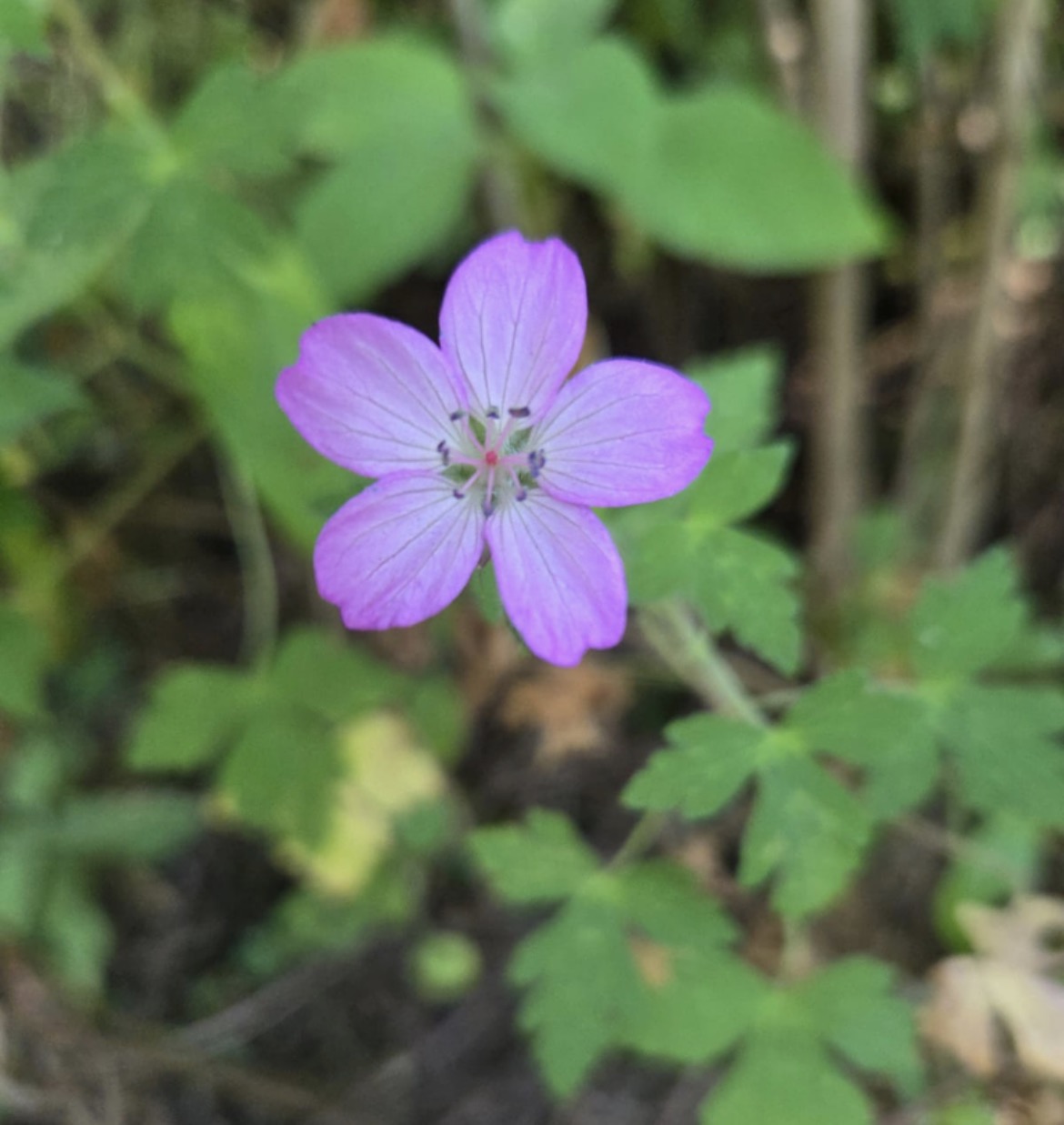
Small and unassuming, these purple flowers were growing in the shade of larger shrubs and brush. Their delicate blooms reach up above the lobed, serrated foliage to be seen, and – their ultimate goal – to be pollinated. I saw this one and recognized it immediately as a geranium species, but it took a lot of digging to find out which one! There is scant information on some of these remote, high elevation species of Mexico. I am not 100% sure on this ID, but iNaturalist shows a lot of sightings right in the same area so I am going with it.
Verbesina oncophora
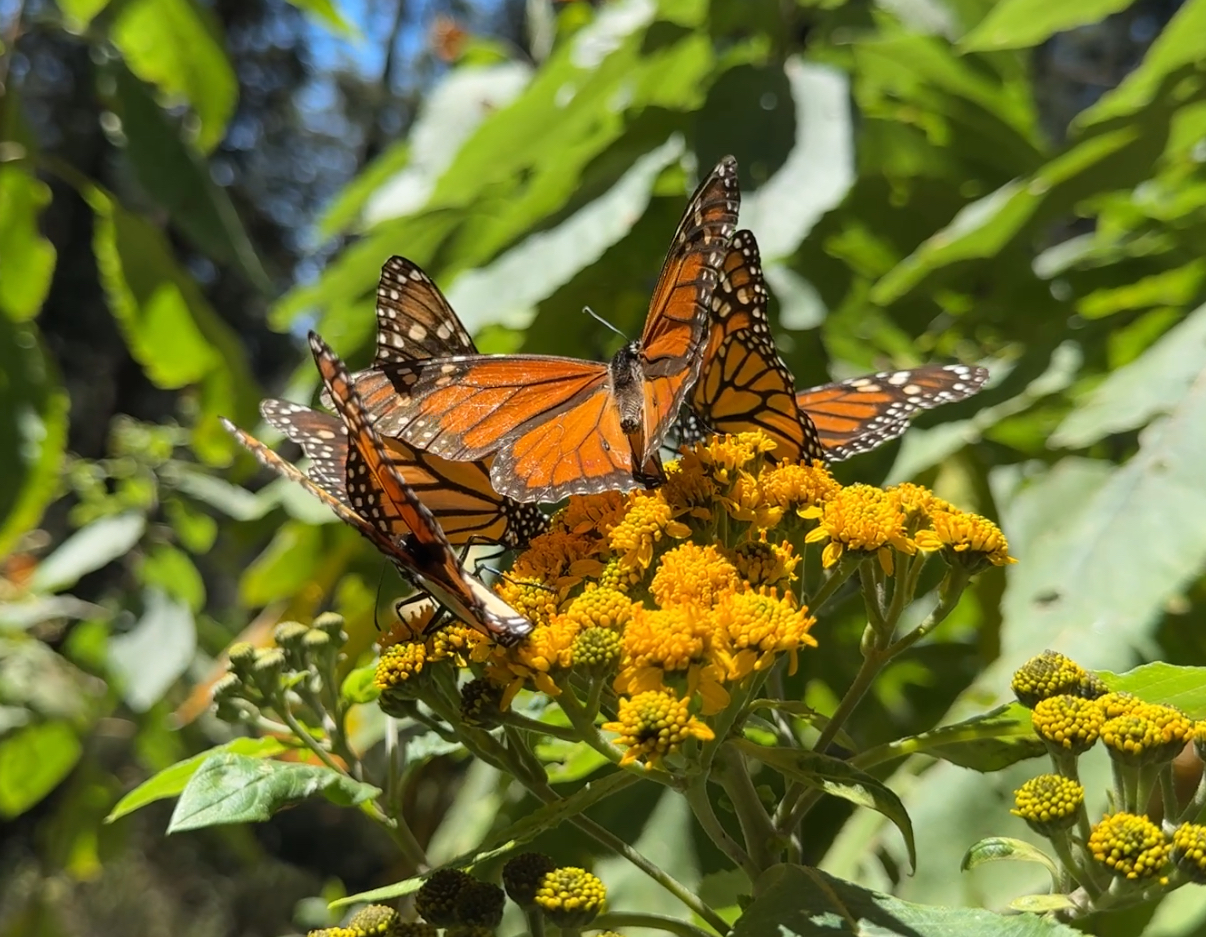
When trying to find records of this plant online, I came up empty. There seems to be very little information about it available outside of iNaturalist sightings. It was growing in sunny patches of open forest, with broad leaves and about 3 to 4 feet high. This plant is a member of the crownbeard flower family, all of which are white or yellow in color and in the subtribe Helianthieae.
From Mexico to My Yard
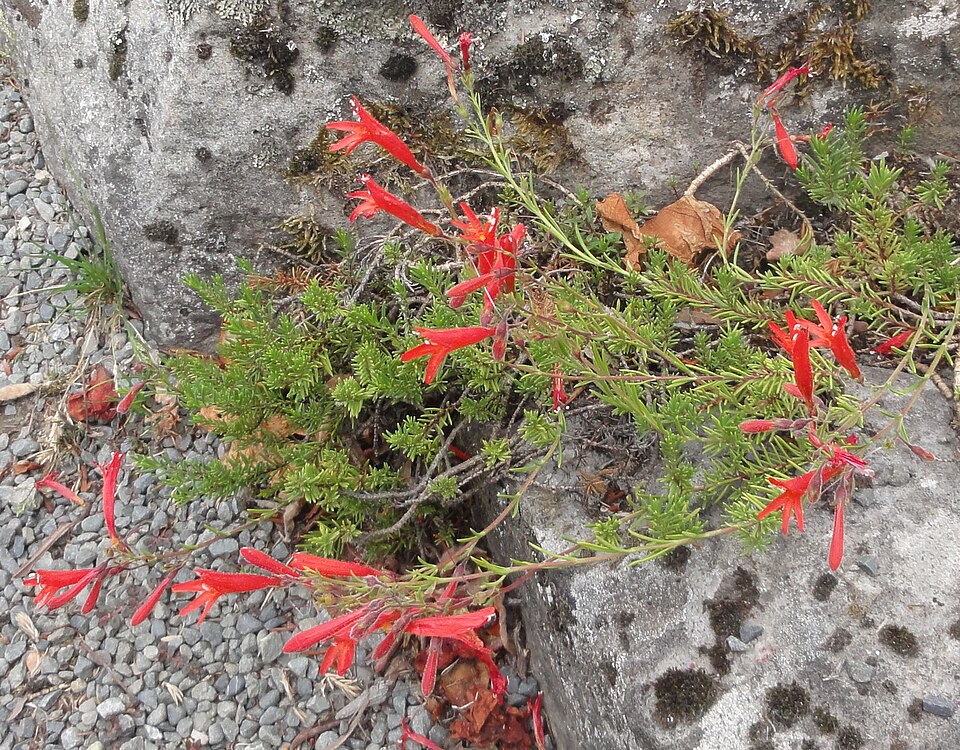
While these understory flowers of the central Sierra Madres wouldn’t survive in my garden back home, there are lots of great native and/or locally adaptable non-native options with a similar look that are better suited to the Great Plains climate. Instead of C. macrostemum, I could opt for a Penstemon pinifolius or Agastache ‘Firebird’. Both of these have orangey-red tube shaped flowers but can handle our hot, dry landscape.
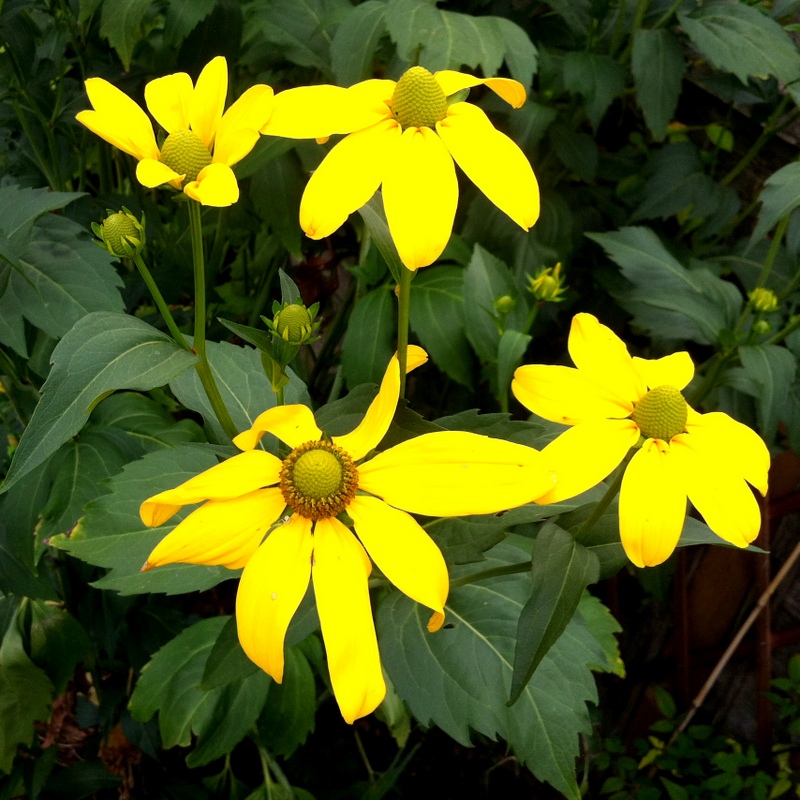
Geranium maculatum is a native KS shade plant with an almost identical flower to the Geranium species found in Mexico. Verbesina has such a unique flower form, but the height and color can be recreated with ox-eye sunflower, Heliopsis helianthoides or even a black-eyed susan species like Rudbeckia lacinata.
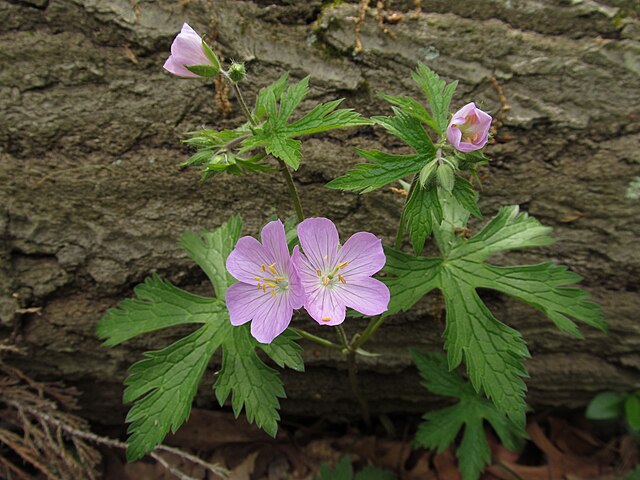



All of these plants are low maintenance and great for adding pollinator habitat to the garden. These, and many more, will be available at FloraKansas THIS WEEKEND!